Choosing Between Manual and Automatic Vibration Control
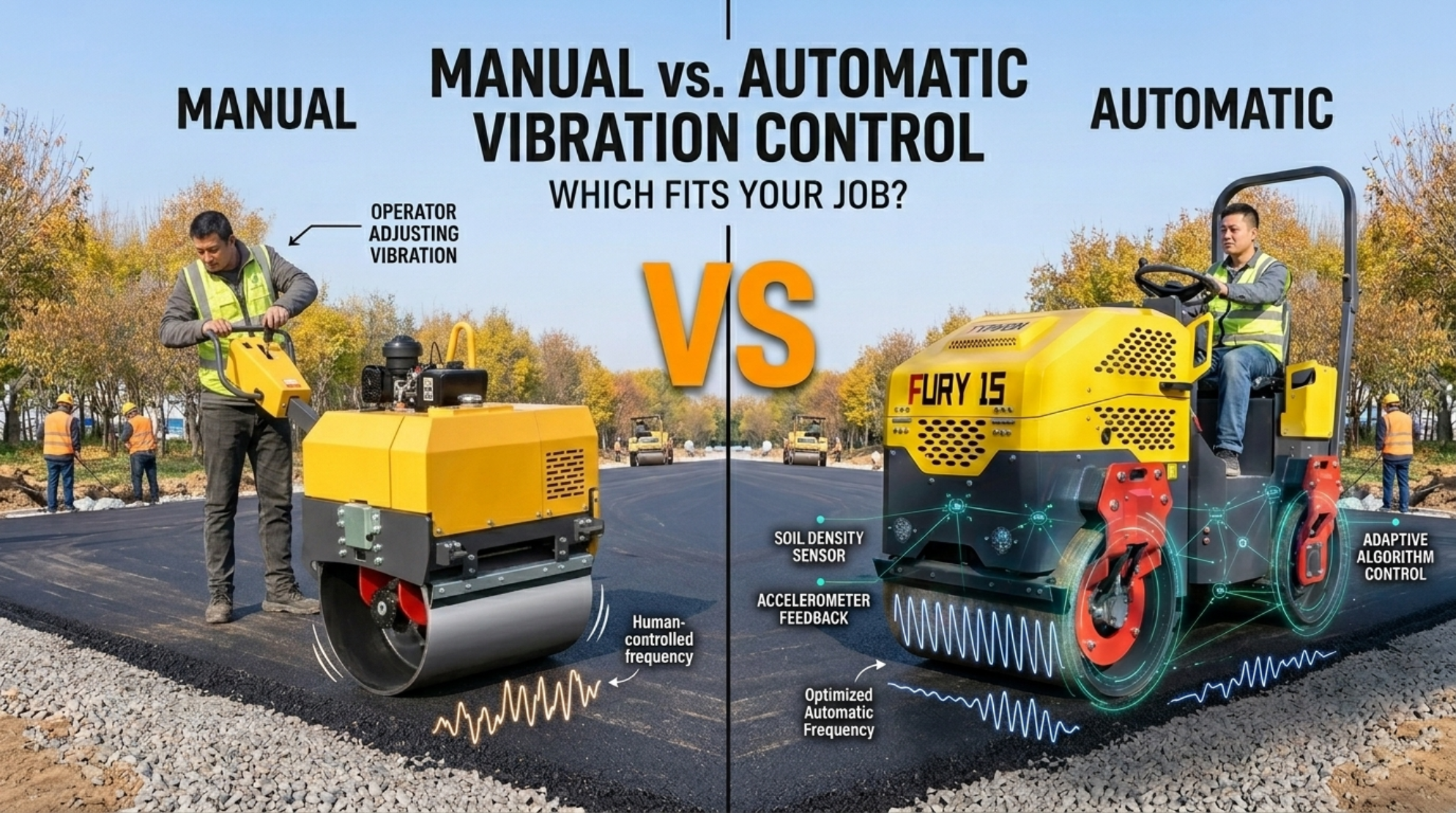
Vibration is what gives a compactor its power, driving energy deep into soil and asphalt to lock particles tightly together. But how that vibration is controlled makes a real difference in your results. Some machines put that control directly in the operator’s hands, while others manage it automatically based on conditions underfoot. Each approach has genuine strengths, and the right choice depends on your jobsite, your crew, and the materials you work with. This post breaks down how manual and automatic vibration control work, how they compare on operator involvement and compaction quality, and how to decide which system fits your work best.
How Manual Vibration Control Works
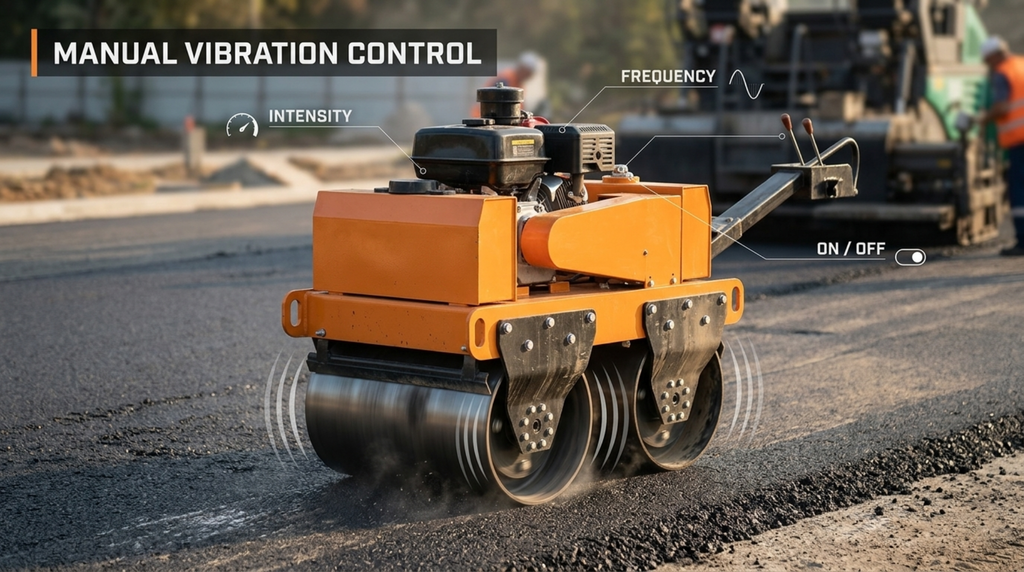
Manual vibration control puts the operator squarely in charge of how the machine compacts. With this setup, the person in the seat selects and adjusts the vibration settings directly, deciding when to engage vibration, how much amplitude and frequency to apply, and when to switch to static rolling. That hands-on approach gives operators immediate, direct control over compaction intensity, letting them respond in real time to what they see and feel as the machine works across the material.
The mechanics are straightforward. The operator uses switches, levers, or dial controls to turn vibration on and off and, on many machines, to choose between settings such as high and low amplitude. A skilled operator reads the surface, the sound of the machine, and the behavior of the material, then dials in the vibration that suits the moment. This is where experience pays off, because the quality of the result depends heavily on the judgment of the person making those adjustments.
Manual control gives operators the flexibility to fine-tune their approach across a job:
- Direct intensity control, engaging strong vibration for deep compaction and easing off where less energy is needed.
- Selective engagement, turning vibration off near sensitive structures, utilities, or freshly placed edges.
- Real-time adjustment, adapting settings as soil type, moisture, or layer thickness changes across the site.
This level of hands-on command is exactly why many experienced crews value manual systems. When an operator knows the material and the machine well, manual control lets them apply precisely the compaction each section calls for, adjusting continuously to match the conditions in front of them rather than relying on a preset routine.
How Automatic Vibration Control Works
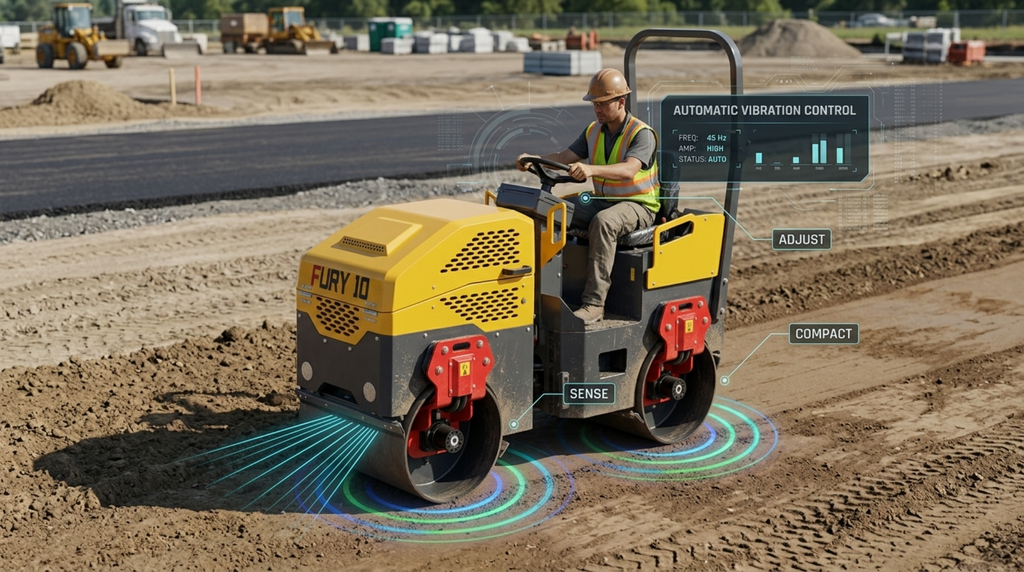
Automatic vibration control takes a different approach, letting the machine manage vibration settings based on the conditions it encounters. Instead of relying on the operator to judge and adjust intensity, these systems use sensors and control technology to monitor how the material responds to compaction. As the machine detects changes in the ground, it adjusts vibration output to keep compaction effective and consistent, easing the burden on the operator and helping maintain steady results across the job.
The technology behind these systems continuously measures the stiffness or density of the material as the drum passes over it. When the ground is still soft and accepting energy, the system applies vibration to keep working it. As the material approaches full compaction and stiffens, the system can reduce or adjust the vibration accordingly. This responsiveness helps prevent both under-compaction, where the soil hasn’t reached target density, and over-compaction, where excessive energy can actually loosen or damage material that’s already tight.
Automatic systems deliver value through a few core capabilities:
- Condition sensing, reading the material’s response and adjusting vibration to match in real time.
- Consistent output, maintaining effective compaction energy across varying ground without constant manual input.
- Reduced guesswork, helping achieve target density more reliably regardless of operator experience.
The practical effect is a more uniform compaction process that adapts as conditions change beneath the machine. Because the system handles the moment-to-moment adjustments, it helps keep compaction consistent across an entire area, even when soil conditions vary from one section to the next. For crews working large or complex sites, this automated responsiveness offers a dependable way to maintain quality compaction while letting the operator concentrate on steering, pass patterns, and overall productivity.
Operator Control and Ease of Use
The two systems ask very different things from the operator, and that difference shapes how each one feels to use over a long shift. Manual control demands active, ongoing involvement. The operator must continuously read the material, decide on the right settings, and make adjustments throughout the job. That hands-on engagement gives skilled operators tremendous command over the outcome, but it also requires steady attention and sound judgment from start to finish. On a long compaction job, that constant decision-making can add up, particularly for operators who are still building their experience.
Automatic control, by contrast, reduces the operator’s moment-to-moment workload considerably. Because the system manages vibration adjustments on its own, the operator can focus on guiding the machine, maintaining consistent pass patterns, and keeping the overall operation moving efficiently. This ease of use is especially valuable during long hours or on large sites, where fatigue can erode the consistency of manual adjustments over time.
The differences in operator involvement break down clearly:
- Manual systems require continuous judgment and hands-on adjustment, rewarding experience but demanding sustained attention.
- Automatic systems handle vibration adjustments themselves, letting operators concentrate on positioning, coverage, and productivity.
- The learning curve tends to be steeper with manual control, while automatic systems help newer operators achieve solid results sooner.
Neither approach is simply better or worse on ease of use; each suits a different situation. An experienced operator may prefer the direct engagement of manual control and find it second nature, while a crew with mixed experience levels or demanding, lengthy jobs may benefit from the reduced workload automatic control provides. Understanding how much involvement each system asks for helps you match the machine to the people who will actually run it, keeping operation smooth and manageable across the working day.
Compaction Quality and Consistency
The ultimate measure of any vibration control system is the quality of the compaction it produces, and here the two approaches show their distinct characters. Manual control ties compaction quality directly to the operator’s skill and attention. When a capable operator manages vibration frequency and amplitude thoughtfully, matching each setting to the material and maintaining disciplined pass patterns, manual control can deliver excellent, precisely tailored results. The flip side is that inconsistent adjustments, missed passes, or fatigue can introduce variation, since the outcome depends so heavily on the person making the calls.
Automatic control is built specifically to promote consistency. By sensing the material and adjusting vibration continuously, the system applies appropriate compaction energy across the whole area, smoothing out the variation that can creep in with manual operation. This helps keep pass-to-pass results uniform and supports reaching target density reliably, even as ground conditions shift across the site.
Several factors influence how each system affects the finished result:
- Vibration frequency and amplitude, set deliberately by the operator with manual control and adjusted responsively by the machine with automatic control.
- Pass consistency, which depends on operator discipline in manual systems and is reinforced by the automated adjustments in automatic ones.
- Overall compaction results, shaped by skill and judgment manually, and by steady, condition-based control automatically.
Both systems are fully capable of producing strong, specification-meeting compaction when used correctly. The distinction lies in how they get there. Manual control offers precise, adaptable quality in experienced hands, giving a skilled operator the tools to fine-tune results section by section. Automatic control offers dependable uniformity across the board, reducing the influence of operator variation and helping maintain consistent density throughout the job. Weighing which quality you value more, tailored precision or steady consistency, points you toward the system that best serves your compaction goals.
Which Vibration Control Is Right for Your Job?
Choosing between manual and automatic vibration control comes down to matching the system to the realities of your work. There’s no universal answer, only the approach that best fits your jobsite demands, your operators, the soil you’re compacting, and the machines available to you. Weighing these factors honestly helps you invest in the control system that will deliver reliable results for the work you actually do.
Start with your jobsite requirements and the experience of your crew. Large, complex sites with long shifts and varying conditions often benefit from automatic control, which maintains consistency and eases operator workload over demanding jobs. Smaller or more specialized work, where an experienced operator needs to tailor compaction precisely around structures, edges, or changing materials, can be an excellent fit for the direct command of manual control.
Consider these factors as you weigh the decision:
- Jobsite requirements, including the size, complexity, and duration of your typical projects.
- Operator experience, since skilled operators excel with manual control while automatic systems help less experienced crews achieve consistent results.
- Soil conditions, where uniform materials may be well served by manual control and highly variable ground favors automatic adjustment.
- Machine capabilities, since the systems available on your equipment shape which options are practical to begin with.
Think through how these elements combine on your particular jobs. A crew of seasoned operators working consistent soils may find manual control gives them all the precision and flexibility they need. An operation running large sites with mixed crews and changing conditions may gain more from the steady, hands-off consistency of automatic control. Some fleets benefit from having both, matching the machine to each job. By assessing your work realistically across these factors, you can choose the vibration control system that keeps your compaction accurate, efficient, and dependable.
Conclusion
Both manual and automatic vibration control can deliver strong, reliable compaction; the right choice depends on how you work. Manual control puts intensity directly in the operator’s hands, rewarding skill and judgment with precise, adaptable results. Automatic control senses conditions and adjusts vibration on its own, promoting consistency and easing operator workload across long, demanding jobs. When you weigh your jobsite requirements, operator experience, soil conditions, and machine capabilities together, the better fit becomes clear. Match the system to your crew and your projects, and you’ll achieve accurate, efficient compaction that stands up to the loads and years ahead, giving you confidence in the ground you build on.