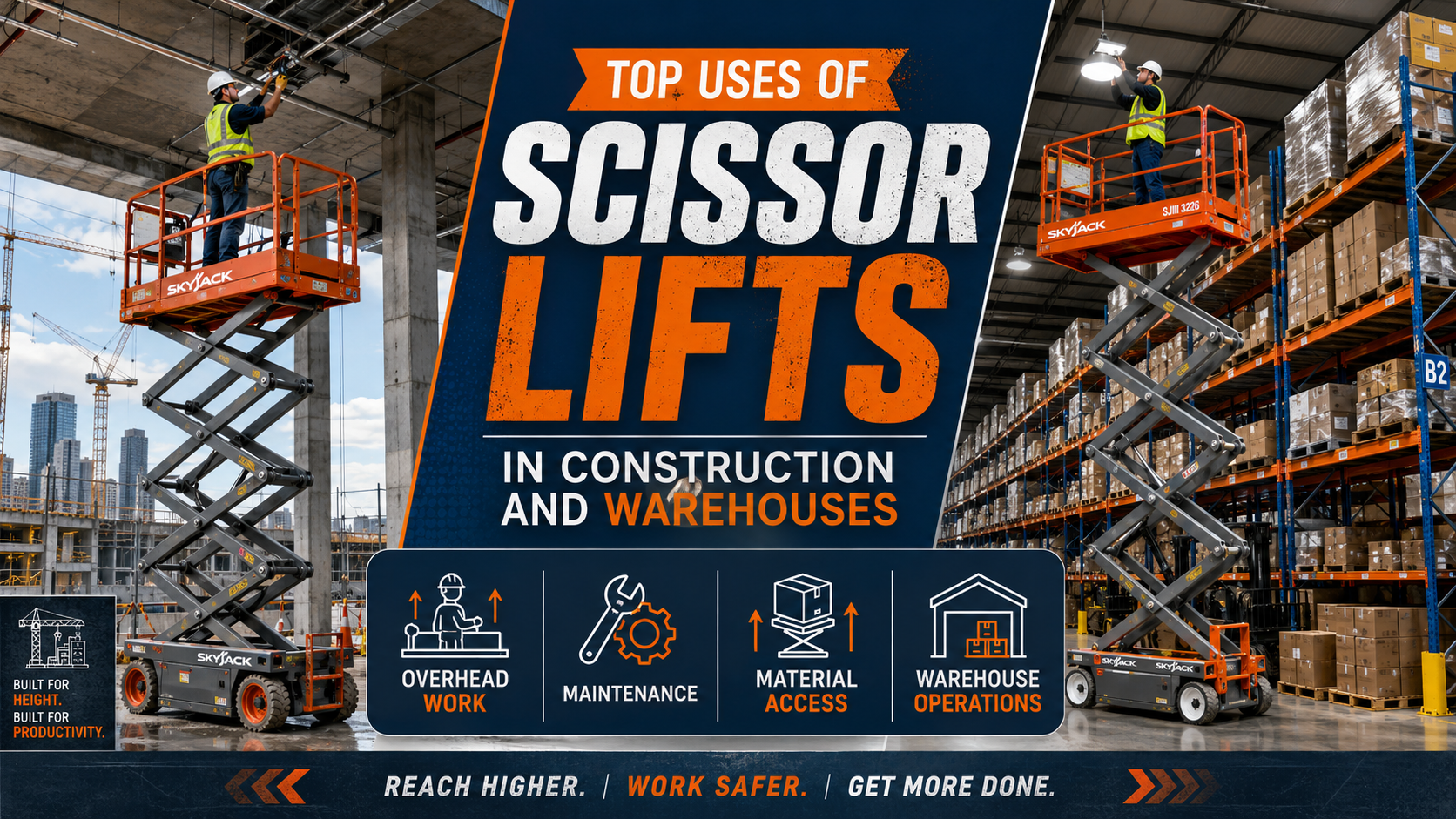
Top Uses of Scissor Lifts in Construction and Warehouses
Imagine a world where every high-reach task required precarious ladders, cumbersome scaffolding, or the slow, labor-intensive setup of traditional access equipment. It would be a world fraught with increased safety risks, diminished efficiency, and significantly higher operational costs. Thankfully, we don’t live in that world, largely thanks to the invention and widespread adoption of the scissor lift.
These ingenious machines, characterized by their crisscrossing support mechanism that extends vertically, have revolutionized how work is performed at height across countless industries. While their presence is ubiquitous in many sectors, their impact is particularly profound and transformative within the dynamic environments of construction sites and the intricate logistics of warehouses. From enabling workers to safely install towering steel beams to meticulously organizing inventory in towering racks, scissor lifts are the unsung heroes of elevated operations. They offer a stable, mobile, and efficient platform, fundamentally changing the landscape of high-access work. This comprehensive guide will delve deep into the myriad ways these indispensable tools are utilized, exploring their core benefits, practical applications, and the best practices that ensure their safe and effective deployment in these critical industries. Whether you’re a construction manager, a warehouse supervisor, or simply curious about the machinery that builds and organizes our modern world, understanding the “Top Uses of Scissor Lifts in Construction and Warehouses” is key to appreciating their vital role.
1. What are the Top Uses of Scissor Lifts in Construction and Warehouses?
Scissor lifts are incredibly versatile pieces of equipment, designed to provide a safe and stable elevated work platform for a variety of tasks. Their ability to lift workers, tools, and materials vertically makes them indispensable in environments where working at height is a regular occurrence. While their fundamental function remains the same – elevating personnel – their specific applications differ significantly between the rugged, ever-changing landscape of a construction site and the structured, often indoor environment of a warehouse. Understanding these distinct uses highlights their adaptability and the critical role they play in modern industry.
1.1. Construction Site Applications
Construction sites are dynamic and demanding, requiring equipment that can withstand harsh conditions and adapt to diverse tasks. Scissor lifts excel in providing stable access for a wide array of construction activities, significantly enhancing safety and productivity.
1.1.1. Installation and Assembly Work
One of the primary uses of scissor lifts in construction is for the installation and assembly of various building components. This includes everything from structural elements to finishing touches. For instance, workers can use scissor lifts to install steel beams and trusses, ensuring precise alignment and secure fastening at elevated positions. They are also crucial for the installation of large glass panels and curtain walls on commercial buildings, providing a stable platform for delicate and heavy materials. Inside, scissor lifts facilitate the installation of HVAC ductwork, electrical conduits, and plumbing systems in ceilings and high walls. Their spacious platforms allow multiple workers to operate simultaneously with their tools, reducing the need for constant repositioning and improving workflow efficiency.
1.1.2. Painting, Plastering, and Finishing
For interior and exterior finishing work, scissor lifts offer a far superior alternative to scaffolding or ladders. Painters can reach high walls and ceilings with ease, applying coats evenly and efficiently. Plasterers can access expansive surfaces for smooth application, and workers can perform detailed finishing tasks like caulking, sealing, and trim installation at various heights. The stable platform reduces fatigue and allows for greater precision, leading to higher quality finishes in less time. This is particularly beneficial for large commercial or industrial buildings with vast interior spaces or tall exterior facades.
1.1.3. Exterior Building Maintenance and Cleaning
Beyond initial construction, scissor lifts are invaluable for ongoing exterior maintenance. They provide safe access for window cleaning on multi-story buildings, facade inspections, and minor repair work such as patching cracks or replacing damaged siding. Their mobility allows them to be easily repositioned around the building, making them a cost-effective solution compared to more complex rigging or scaffolding setups for routine maintenance tasks. The ability to work close to the building face with a stable platform enhances safety for workers performing these critical upkeep activities.
1.1.4. Utility and Infrastructure Work
Scissor lifts are also frequently employed in the installation and maintenance of utilities. This includes overhead electrical wiring, communication cables, and lighting fixtures in large facilities or public spaces. For example, electricians can use them to run cables through ceiling grids in new constructions or to replace faulty light fixtures in high-ceilinged warehouses or sports arenas. Their precise vertical movement allows workers to position themselves exactly where needed, ensuring accurate and safe execution of utility-related tasks.
1.2. Warehouse and Distribution Center Applications
In warehouses, efficiency, safety, and optimal space utilization are paramount. Scissor lifts are tailored to meet these demands, providing vertical access solutions that streamline operations and enhance worker safety in confined and often busy environments.
1.2.1. Inventory Management and Stock Picking
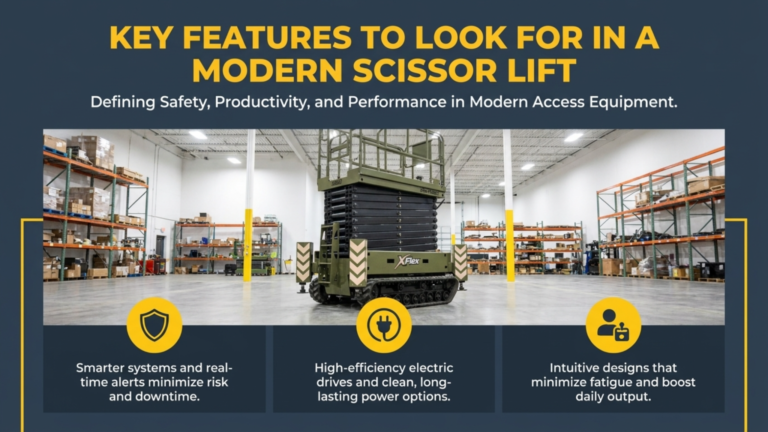
One of the most common and critical uses of scissor lifts in warehouses is for inventory management and stock picking from high shelves. Modern warehouses often feature towering storage racks to maximize vertical space. Scissor lifts allow operators to safely and efficiently access items stored at significant heights, whether for retrieval, placement, or inventory checks. Unlike forklifts with cages, scissor lifts offer a larger, more stable platform, making it easier to handle multiple items or larger packages. This improves accuracy in order fulfillment and reduces the time spent retrieving goods.
1.2.2. Shelf and Rack Installation/Maintenance
The installation, reconfiguration, and maintenance of shelving and racking systems are ongoing tasks in any dynamic warehouse. Scissor lifts provide the ideal platform for workers to assemble new racks, repair damaged sections, or adjust shelf heights. Their stability ensures that workers can handle heavy components safely and accurately, contributing to a well-organized and structurally sound storage system. This is particularly important for ensuring compliance with safety regulations regarding rack integrity.
1.2.3. Overhead Lighting and HVAC Maintenance
Warehouses typically have high ceilings, making maintenance of overhead lighting, HVAC systems, and sprinkler systems a challenge. Scissor lifts offer a safe and convenient way to perform these tasks. Electricians can replace light bulbs or repair wiring, while maintenance crews can service air conditioning units or inspect sprinkler heads without the need for extensive scaffolding setups. This reduces downtime for critical systems and ensures a comfortable and safe working environment for all warehouse personnel.
1.2.4. Signage and Banner Installation
In large warehouses or distribution centers, clear signage is essential for navigation, safety warnings, and product identification. Scissor lifts enable workers to install and update overhead signs, banners, and safety placards quickly and safely. This ensures that important information is visible and accessible, contributing to operational efficiency and accident prevention. The stable platform allows for precise placement and secure fastening of these visual aids.
1.2.5. Facility Cleaning and Inspections
Regular cleaning and inspection of high areas are crucial for maintaining a safe and compliant warehouse environment. Scissor lifts allow cleaning crews to access high ledges, ductwork, and ceiling areas to remove dust and debris, preventing potential fire hazards and maintaining air quality. They are also used for routine safety inspections of overhead structures, ensuring compliance with health and safety regulations and identifying potential issues before they become critical. This proactive approach to maintenance is vital for long-term operational integrity.
2. Key Benefits of Using Scissor Lifts
The widespread adoption of scissor lifts in construction and warehouse environments is not merely a matter of convenience; it’s driven by a compelling set of advantages that directly impact safety, efficiency, and overall operational costs. These benefits collectively make scissor lifts an indispensable asset for any organization requiring elevated access.
2.1. Enhanced Safety for Workers
Safety is paramount in both construction and warehouse settings, where working at height inherently carries risks. Scissor lifts significantly mitigate these risks compared to traditional methods.
2.1.1. Stable and Secure Work Platform
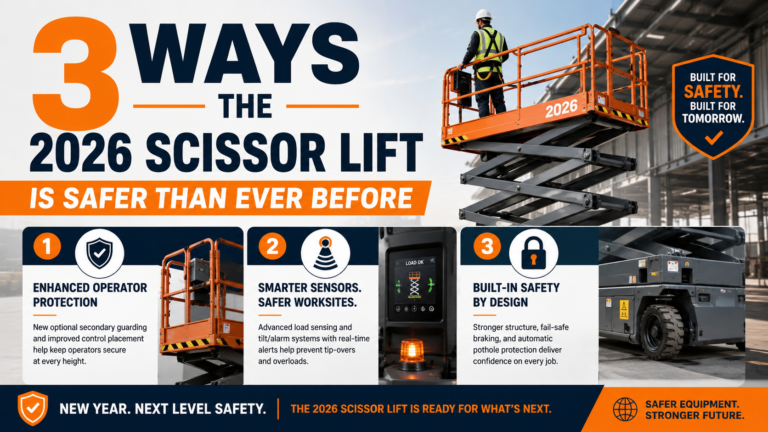
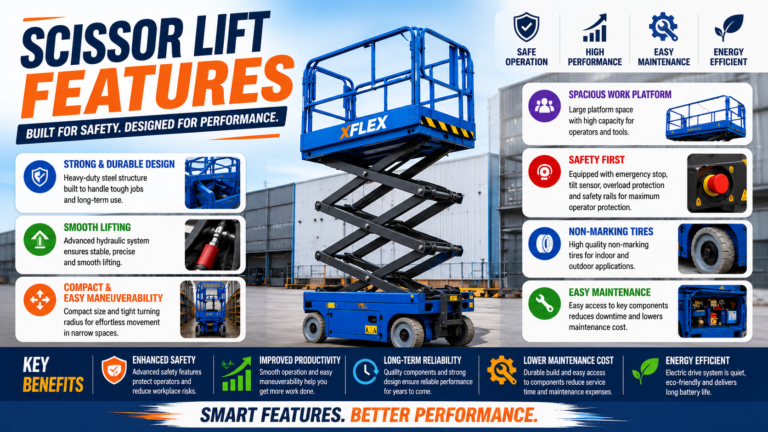
Unlike ladders, which can be unstable and prone to tipping, or scaffolding, which requires extensive setup and often has gaps, scissor lifts provide a large, flat, and extremely stable work platform. This stability reduces the risk of falls, which are a leading cause of injuries and fatalities in construction. The platform is typically equipped with guardrails, toe boards, and often a self-closing gate, creating a secure enclosure for workers. This allows workers to focus on their tasks without constantly worrying about their footing, leading to fewer accidents and a more productive environment.
2.1.2. Reduced Risk of Falls and Injuries
2.1.3. Compliance with Safety Regulations
Using scissor lifts often helps companies meet stringent safety regulations imposed by bodies like OSHA (Occupational Safety and Health Administration) in the US, or similar regulatory bodies globally. These regulations mandate safe access to elevated work areas. Scissor lifts, when properly maintained and operated by trained personnel, are recognized as a compliant and preferred method for high-access tasks, helping companies avoid costly fines and legal liabilities associated with unsafe work practices. Regular inspections and adherence to manufacturer guidelines further ensure ongoing compliance.
2.2. Increased Efficiency and Productivity
Beyond safety, scissor lifts are powerful tools for boosting operational efficiency and productivity, directly impacting project timelines and bottom lines.
2.2.1. Faster Setup and Mobility
Compared to scaffolding, which can take hours or even days to erect, dismantle, and relocate, scissor lifts offer near-instantaneous setup. Operators can drive the lift to the desired location, elevate the platform, and begin work almost immediately. Many models are self-propelled, allowing for quick repositioning across a job site or within a warehouse, minimizing downtime between tasks. This agility is crucial in fast-paced environments where time is money, enabling workers to complete more tasks in a shorter period.
2.2.2. Simultaneous Lifting of Workers, Tools, and Materials
The spacious platform of a scissor lift is designed to accommodate not just workers, but also a significant amount of tools and materials. This eliminates the need for separate hoists or repetitive trips up and down for supplies. Workers can bring everything they need for a task up to height in one go, streamlining the workflow and preventing interruptions. For example, an electrician can bring a toolbox, wiring spools, and light fixtures up to the ceiling, completing the entire installation without descending. This integrated approach significantly enhances productivity.
2.2.3. Versatility Across Multiple Tasks
As detailed in the previous section, scissor lifts are not single-purpose machines. Their ability to perform a wide range of tasks – from structural installation to painting, inventory picking to HVAC maintenance – means a single piece of equipment can serve multiple functions on a site or within a facility. This versatility reduces the need for specialized equipment for each task, saving on procurement, maintenance, and storage costs. It also simplifies training, as operators can be cross-trained on one type of machine for various applications.
2.3. Cost-Effectiveness
Investing in or renting scissor lifts can lead to significant cost savings in the long run, making them a financially sound choice for businesses.
2.3.1. Reduced Labor Costs
By enabling faster task completion and reducing the need for extensive setup and teardown of alternative access methods, scissor lifts directly contribute to lower labor costs. Fewer hours are spent on non-productive activities like moving equipment or fetching tools, allowing workers to dedicate more time to their primary tasks. The enhanced efficiency means projects can be completed faster, leading to lower overall project labor expenditures.
2.3.2. Lower Equipment Rental/Purchase Costs (Compared to Alternatives)
While the initial investment or rental cost of a scissor lift might seem significant, it often pales in comparison to the costs associated with more complex access solutions like extensive scaffolding systems or specialized boom lifts for certain applications. For many vertical-only access needs, a scissor lift is the most economical choice. Its versatility also means fewer different types of equipment need to be rented or purchased, further consolidating costs.
2.3.3. Minimized Downtime and Project Delays
Efficiency directly translates to reduced downtime. When workers can access elevated areas quickly and safely, projects stay on schedule. Delays due to unsafe access methods, slow setup times, or accidents can be incredibly costly, leading to penalties, extended labor hours, and disruptions to other project phases. By minimizing these delays, scissor lifts help ensure projects are completed on time and within budget, safeguarding profitability. This also applies to warehouse operations, where quick access to inventory or maintenance reduces operational bottlenecks.
3. How to Get Started with Scissor Lifts
3.1. Assessing Your Needs
Before acquiring or renting a scissor lift, a thorough assessment of your specific operational needs is crucial. This step ensures you select the right type and size of lift for your applications, optimizing performance and safety.
3.1.1. Determine Required Working Height and Platform Capacity
The first step is to accurately determine the maximum working height you’ll need to reach. This isn’t just the platform height but the height at which a worker can comfortably perform tasks while standing on the platform. Equally important is the platform capacity, which includes the weight of workers, tools, and materials. Overloading a scissor lift is extremely dangerous and can lead to catastrophic failure. Consider the heaviest items you’ll need to lift and the number of personnel required on the platform simultaneously. For example, if you’re installing heavy HVAC units, you’ll need a lift with a higher capacity than one used solely for light bulb replacement.
3.1.2. Evaluate Work Environment (Indoor/Outdoor, Terrain, Space Constraints)
The environment in which the scissor lift will operate heavily influences the type of lift required.
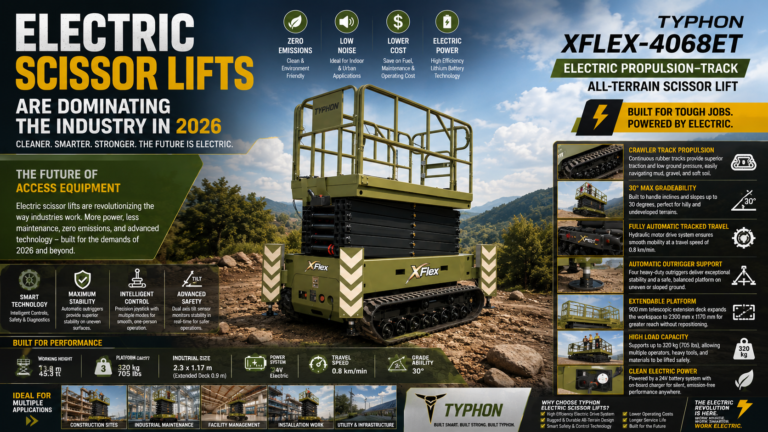
- Indoor vs. Outdoor: Electric scissor lifts are ideal for indoor use due to zero emissions and quieter operation, making them suitable for warehouses and finished construction interiors. Engine-powered (diesel or gas) rough-terrain scissor lifts are necessary for outdoor construction sites with uneven ground, slopes, or muddy conditions.
- Terrain: For rough, unpaved construction sites, look for models with four-wheel drive, larger tires, and greater ground clearance. For smooth warehouse floors, standard electric models with non-marking tires are appropriate.
- Space Constraints: Consider the width of aisles, doorways, and the turning radius required. Compact scissor lifts are available for tight spaces, while larger models offer more platform space but require more room to maneuver.
- Power Source Availability: For electric lifts, ensure access to charging stations or appropriate power outlets.
3.1.3. Consider Frequency of Use and Budget (Rental vs. Purchase)
Your budget and how often you’ll use the lift will guide your decision between renting and purchasing.
- Rental: Ideal for short-term projects, infrequent use, or when specific lift types are needed for different phases of a project. Renting offers flexibility, access to the latest models, and eliminates maintenance costs and storage concerns.
- Purchase: More cost-effective for continuous, long-term use. Purchasing provides immediate availability, allows for customization, and builds equity. However, it comes with responsibilities for maintenance, storage, and eventual depreciation. Factor in ongoing operational costs like fuel/electricity, maintenance, and insurance for both options.
3.2. Training and Certification
Proper training and certification are non-negotiable for anyone operating a scissor lift. It’s a legal requirement and a critical component of workplace safety.
3.2.1. Operator Training Requirements (OSHA, ANSI, etc.)
Regulatory bodies like OSHA in the US (and similar agencies globally) mandate that all scissor lift operators receive comprehensive training and be certified before operating the equipment. This training typically covers:
- Equipment Familiarization: Understanding the specific model of lift, its controls, safety features, and limitations.
- Pre-Operation Inspections: Learning how to conduct thorough daily checks to identify potential faults.
- Safe Operation Procedures: Proper startup, driving, elevating, lowering, and emergency procedures.
- Hazard Recognition: Identifying potential hazards like overhead obstructions, power lines, uneven terrain, and unstable surfaces.
- Load Capacity: Understanding and adhering to the lift’s weight limits.
- Fall Protection: Proper use of harnesses and lanyards when required. Training should include both theoretical (classroom) and practical (hands-on) components, culminating in an evaluation of the operator’s proficiency.
3.2.2. Importance of Refresher Training
Scissor lift certifications typically have an expiration date (e.g., every 3 years). Even without a formal expiry, refresher training is crucial. It reinforces safe operating practices, updates operators on new regulations or equipment features, and helps correct any bad habits that may have developed over time. Accidents often occur due to complacency or a lack of updated knowledge, making regular refreshers vital for maintaining a high standard of safety.
3.2.3. Training for Spotters and Ground Personnel
It’s not just the operator who needs training. Any personnel working in the vicinity of a scissor lift, especially spotters, must also receive appropriate instruction. Spotters are critical in situations where the operator’s visibility is limited or when maneuvering in tight spaces. They need to understand hand signals, communication protocols, exclusion zones, and emergency procedures. Ground personnel should also be aware of the hazards associated with scissor lift operations and how to safely navigate around them. This holistic approach to training creates a safer working environment for everyone on site.
3.3. Pre-Operation Checks and Site Preparation
Before any work begins, meticulous pre-operation checks and thorough site preparation are essential to prevent accidents and ensure smooth operations.
3.3.1. Daily Inspections of the Lift
Every day before use, the scissor lift must undergo a thorough pre-operation inspection. This includes checking:
- Fluid Levels: Hydraulic fluid, engine oil (for engine-powered models), and coolant.
- Tires: Pressure, condition, and any damage.
- Controls: Functionality of all operating controls, emergency stop buttons, and safety interlocks.
- Structural Integrity: No visible damage, cracks, or loose components on the platform, guardrails, or scissor mechanism.
- Safety Devices: Functionality of alarms, lights, horn, and tilt sensors.
- Decals and Manuals: Ensuring all safety decals are present and legible, and the operator’s manual is on board. Any identified defects must be addressed immediately, and the lift should not be operated until repairs are made.
3.3.2. Site Hazard Assessment
A comprehensive site hazard assessment must be conducted before positioning the lift. This involves:
- Overhead Obstructions: Identifying power lines, pipes, beams, and other potential collision hazards.
- Ground Conditions: Checking for uneven surfaces, potholes, soft ground, slopes, or debris that could affect stability.
- Floor Load Capacity: In warehouses, ensuring the floor can support the weight of the lift and its load.
- Traffic and Pedestrian Control: Establishing exclusion zones around the work area to prevent collisions with other equipment or personnel.
- Weather Conditions: For outdoor operations, assessing wind speed, rain, or ice, which can severely impact stability. Proper planning and hazard mitigation are crucial for safe operation.
3.3.3. Proper Placement and Stabilization
Once hazards are assessed, the lift must be positioned correctly.
- Level Surface: Always operate on a firm, level surface. If the ground is uneven, use outriggers (if equipped) or select a different location. Never attempt to level the lift with blocks or shims under the tires unless specifically designed for that purpose by the manufacturer.
- Clearance: Maintain safe distances from overhead obstructions, power lines, and other equipment.
- Exclusion Zones: Mark off the work area with cones, barriers, or tape to prevent unauthorized entry. This is particularly important in busy construction sites or warehouse aisles where other machinery or personnel are present.
- Securing the Area: Ensure that any doors or gates that could swing into the lift’s path are secured.
By meticulously following these steps – assessing needs, ensuring comprehensive training, and diligently performing pre-operation checks and site preparation – organizations can maximize the benefits of scissor lifts while upholding the highest standards of safety and efficiency. For more detailed guidance on specific models and safety protocols, refer to our.
4. Best Practices for Scissor Lift Operations
Operating scissor lifts safely and efficiently goes beyond basic training; it involves adhering to a set of best practices that promote a culture of safety, extend equipment lifespan, and maximize productivity. These practices are crucial for both construction sites and warehouse environments, ensuring that the benefits of scissor lifts are fully realized without compromising worker well-being or operational integrity.
4.1. Safety Protocols and Procedures
Safety should always be the top priority when operating any elevated work platform. Establishing and strictly following comprehensive safety protocols is fundamental.
4.1.1. Always Wear Appropriate Personal Protective Equipment (PPE)
Before stepping onto a scissor lift, operators and any personnel on the platform must wear the correct PPE. This typically includes:
- Hard Hats: To protect against falling objects or head impacts.
- Safety Glasses/Goggles: To shield eyes from debris, dust, or splashes.
- High-Visibility Clothing: Especially in busy construction or warehouse environments, to ensure operators are seen by other machinery and personnel.
- Work Boots: Steel-toed boots with slip-resistant soles provide protection and stability.
- Fall Protection (if required): While many scissor lifts with full guardrails do not strictly require a harness and lanyard by OSHA standards for fall arrest, some companies or specific site conditions may mandate it as an additional safety measure, especially if working near an open edge or performing specific tasks. Always check site-specific rules and manufacturer guidelines. If a harness is worn, ensure it’s properly fitted and connected to an approved anchor point on the platform.
4.1.2. Maintain a Clear and Level Work Area
The stability of a scissor lift is paramount. Always ensure the ground beneath and around the lift is firm, level, and free of obstructions.
- Clear Debris: Remove tools, materials, and debris from the work path and the area where the lift will be positioned.
- Avoid Slopes: Never operate a scissor lift on a slope that exceeds the manufacturer’s specified limits. Even small inclines can significantly reduce stability.
- Watch for Floor Openings: In warehouses or multi-story construction, be vigilant for floor openings, pits, or trenches that could cause the lift to tip or fall.
- Secure Overhead Hazards: Before elevating, identify and, if possible, secure any loose objects overhead that could fall onto the platform.
4.1.3. Never Exceed Load Capacity or Reach Limits
Overloading is one of the most dangerous mistakes an operator can make.
- Check Data Plate: Always refer to the manufacturer’s data plate on the lift for the maximum weight capacity (personnel, tools, and materials combined) and maximum number of occupants.
- Distribute Weight Evenly: Avoid concentrating all weight on one side of the platform. Distribute loads as evenly as possible to maintain stability.
- Avoid Unauthorized Extensions: Never use ladders, boxes, or other makeshift devices on the platform to gain additional height or reach. This compromises stability and greatly increases the risk of falls. Scissor lifts are designed for vertical extension only; attempting to reach horizontally beyond the platform’s edge can destabilize the machine.
4.1.4. Establish Communication Protocols with Ground Personnel
Effective communication is vital, especially on busy sites.
- Hand Signals: Train all personnel on standardized hand signals for common commands (e.g., “up,” “down,” “stop,” “move forward”).
- Two-Way Radios: For larger sites or noisy environments, two-way radios ensure clear and consistent communication between the operator and ground personnel, especially spotters.
- Pre-Task Briefings: Before starting work, conduct a brief meeting to discuss the task, potential hazards, and communication plan.
- Exclusion Zones: Clearly mark and enforce exclusion zones around the lift to protect ground personnel from falling objects or accidental contact with the machine.
4.2. Operational Best Practices
Beyond safety, certain operational practices can enhance efficiency, prolong equipment life, and ensure smooth workflow.
4.2.1. Perform Thorough Pre-Shift Inspections
While daily inspections are mandatory, a quick pre-shift check by the operator before each use reinforces safety. This includes:
- Visual Check: A quick walk-around to look for obvious damage, leaks, or obstructions.
- Control Functionality: Briefly test all controls, including emergency stops, to ensure they are working correctly.
- Fluid Levels: A quick check of essential fluid levels. This brief but critical routine helps catch potential issues before they escalate into serious problems or accidents.
4.2.2. Plan Your Movements and Work Path
Strategic planning before operating the lift can save time and prevent unnecessary maneuvers.
- Map Out Route: In warehouses, plan the most efficient path to access all necessary shelves, considering aisle widths and potential obstacles.
- Minimize Repositioning: On construction sites, try to complete all tasks within a given area before repositioning the lift, reducing travel time and battery/fuel consumption.
- Consider Traffic Flow: Be aware of other equipment and personnel movement. Coordinate with other operators to avoid congestion and potential collisions.
- Clear Path: Ensure the path is clear of debris, electrical cords, and other hazards before moving the lift.
4.2.3. Secure Tools and Materials on the Platform
Loose items on the platform pose a significant risk of falling, potentially injuring ground personnel or damaging equipment.
- Tool Belts and Pouches: Encourage workers to use tool belts or pouches to keep small tools secure.
- Tool Lanyards: For tools that might be dropped, use lanyards to tether them to the platform or the worker.
- Secure Containers: Use buckets, bins, or toolboxes with lids to store materials and larger tools. Ensure these containers are stable and won’t tip over.
- Load Distribution: Distribute materials evenly on the platform, keeping them within the guardrails and below the top rail to maintain visibility and stability.
4.2.4. Lower the Platform When Moving the Lift
Unless specifically designed for elevated driving (which is typically at very low speeds and specific conditions), always lower the platform completely before moving the scissor lift.
- Increased Stability: Moving with the platform elevated significantly reduces stability, especially on uneven ground or during turns, increasing the risk of tipping.
- Clearer Visibility: A lowered platform provides the operator with better visibility of the path ahead and surrounding area.
- Avoid Obstructions: It reduces the chance of colliding with overhead obstructions while driving. This simple practice is a fundamental safety rule that prevents many common scissor lift accidents.
4.3. Maintenance and Care
Regular maintenance is key to ensuring the longevity, reliability, and safety of your scissor lifts.
4.3.1. Adhere to Manufacturer’s Maintenance Schedule
Every scissor lift comes with a detailed maintenance schedule from the manufacturer. Adhering to this schedule is critical.
- Routine Checks: This includes regular lubrication of moving parts, checking hydraulic fluid levels and quality, inspecting electrical connections, and testing brakes.
- Preventative Maintenance: Proactive maintenance helps identify and address minor issues before they escalate into major, costly repairs or safety hazards.
- Qualified Technicians: Ensure maintenance is performed by trained and certified technicians who understand the specific model and its components.
4.3.2. Proper Storage and Charging Practices
How a scissor lift is stored and charged can significantly impact its lifespan and readiness.
- Clean and Dry Storage: Store lifts in a clean, dry area, protected from harsh weather elements. This prevents corrosion and damage to electrical components.
- Battery Care (Electric Lifts): For electric lifts, follow manufacturer guidelines for charging. Avoid overcharging or deep discharging, which can reduce battery life. Ensure charging areas are well-ventilated.
- Fuel Storage (Engine-Powered Lifts): For engine-powered lifts, ensure fuel is stored safely and the fuel system is regularly checked for leaks.
4.3.3. Document All Inspections and Maintenance
Maintaining detailed records of all inspections, maintenance, and repairs is essential for several reasons:
- Compliance: Provides proof of compliance with safety regulations.
- Troubleshooting: Helps identify recurring issues or patterns that might indicate a larger problem.
- Warranty: Necessary for warranty claims.
- Resale Value: A well-documented maintenance history can significantly increase the resale value of the equipment. These records should be readily accessible and updated consistently. By embedding these best practices into daily operations, organizations can create a safer, more efficient, and more productive environment where scissor lifts are utilized to their fullest potential. For more in-depth operational guidelines and safety checklists, explore our.
5. Frequently Asked Questions
Understanding the core aspects of scissor lifts is crucial for anyone involved in their operation or management. Here, we address some common questions to provide clarity and reinforce key information.
5.1. What is a scissor lift used for?
A scissor lift is a mobile elevated work platform (MEWP) primarily used to safely lift workers, tools, and materials to elevated work areas. Its unique crisscrossing support mechanism allows for vertical extension, providing a stable and spacious platform. In construction, they are used for tasks like installing structural components, painting, plastering, HVAC installation, and exterior maintenance. In warehouses, their primary uses include inventory management (stock picking, placement), shelf and rack installation, overhead lighting/HVAC maintenance, and signage installation. Essentially, any task requiring safe, temporary access to heights up to 50-60 feet can often be performed with a scissor lift.
5.2. How does a scissor lift work?
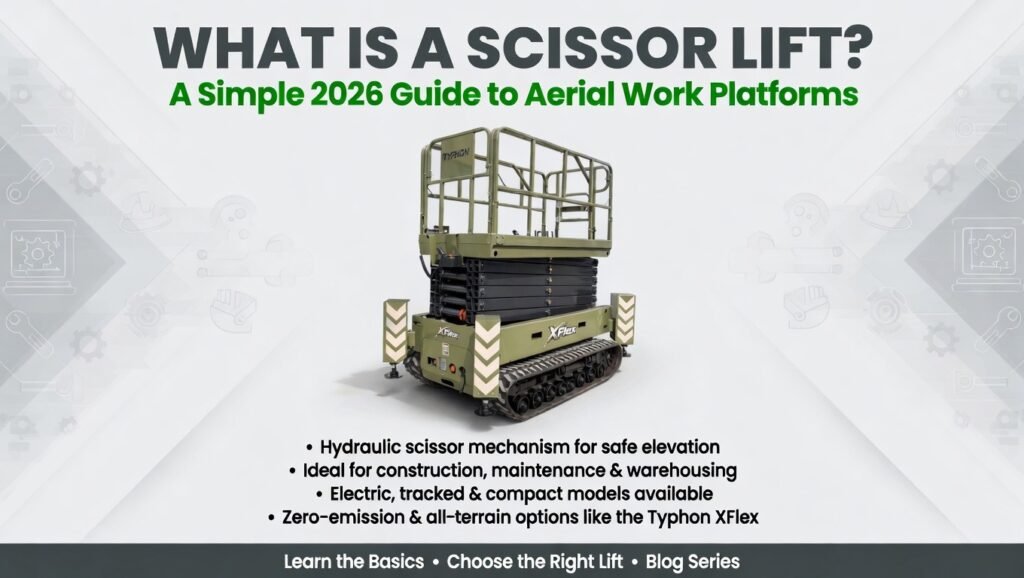
A scissor lift operates on a simple yet effective principle. The platform is supported by a series of linked, folding supports in a crisscross ‘X’ pattern, similar to a pair of scissors. These supports are actuated by hydraulic cylinders. When hydraulic fluid is pumped into the cylinders, they extend, pushing the ‘X’ pattern outwards and upwards, causing the platform to rise vertically. To lower the platform, the hydraulic fluid is released from the cylinders, allowing the ‘X’ supports to retract and fold, bringing the platform back down. The entire mechanism is mounted on a mobile base, which can be either manually pushed (for smaller models) or self-propelled (electric or engine-powered) for greater mobility. Controls for elevation and movement are typically located on the platform itself and often duplicated on the base for ground operation in emergencies.
5.3. What are the main benefits of using scissor lifts?
The main benefits of using scissor lifts revolve around enhanced safety, increased efficiency, and significant cost-effectiveness.
- Safety: They provide a stable, guarded platform, drastically reducing the risk of falls compared to ladders or scaffolding. They also allow workers to bring tools and materials up with them, preventing strain injuries.
- Efficiency: Scissor lifts offer quick setup and repositioning, minimizing downtime. Their large platforms allow multiple workers and all necessary equipment to be lifted simultaneously, streamlining tasks and accelerating project completion.
- Cost-Effectiveness: By reducing labor hours, minimizing project delays, and often being a more economical access solution than complex scaffolding or specialized boom lifts, scissor lifts contribute to overall cost savings. Their versatility also means one machine can handle multiple tasks, reducing equipment rental or purchase needs.
5.4. What types of scissor lifts are available?
There are primarily two main types of scissor lifts, categorized by their power source and intended environment:
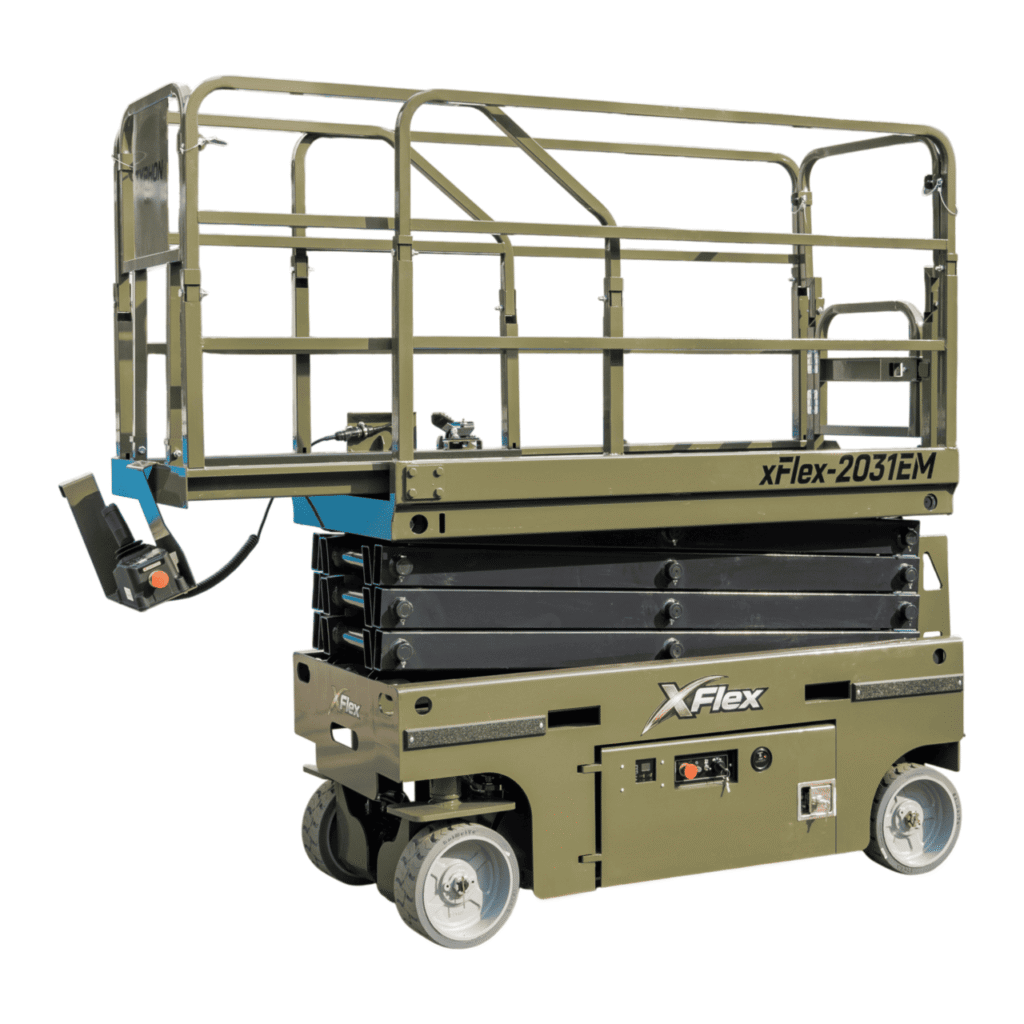
- Electric Scissor Lifts: These are battery-powered, produce zero emissions, and operate quietly, making them ideal for indoor use in warehouses, retail stores, and finished construction sites. They typically have non-marking tires and are designed for smooth, level surfaces.
- Rough Terrain Scissor Lifts: These are typically powered by diesel or gasoline engines, feature four-wheel drive, larger tires, and often oscillating axles for enhanced stability on uneven or unpaved outdoor construction sites. They are built to withstand rugged conditions and can handle slopes. Additionally, some specialized models exist, such as slab scissor lifts (a type of electric lift with higher capacities for concrete slabs) and narrow-aisle scissor lifts for extremely tight spaces.
5.5. What safety precautions should always be followed when operating a scissor lift?
Adhering to strict safety precautions is paramount. Key practices include:
- Operator Training & Certification: Only trained and certified personnel should operate a scissor lift.
- Pre-Operation Inspection: Conduct a thorough daily inspection of all lift components, controls, and safety features.
- Site Hazard Assessment: Identify and mitigate hazards like uneven ground, overhead obstructions, power lines, and unstable surfaces.
- PPE: Always wear appropriate personal protective equipment, including hard hats, safety glasses, and potentially fall protection if required.
- Load Capacity: Never exceed the manufacturer’s specified weight capacity for the platform.
- Level Surface: Operate only on firm, level ground, or within the manufacturer’s specified slope limits.
- Clear Work Area: Ensure the area around and beneath the lift is clear of debris and personnel.
- Lower Platform When Moving: Unless specifically designed for elevated driving at low speeds, always lower the platform before moving the lift.
- Secure Tools & Materials: Prevent items from falling off the platform.
- Maintain Clearances: Keep safe distances from power lines and other obstructions.
5.6. Can scissor lifts be used on slopes?
Scissor lifts have specific limitations regarding operation on slopes. While rough terrain scissor lifts are designed to handle more challenging outdoor conditions, they still have maximum allowable slope ratings, often expressed as a percentage or degree. Operating beyond these limits can cause the lift to become unstable and tip over. Electric indoor scissor lifts are generally designed for flat, level surfaces and have very strict, often zero, slope limitations. Always consult the manufacturer’s manual and the data plate on the specific lift for its maximum allowable slope for both driving and elevating. Never attempt to compensate for slopes by placing blocks or shims under the wheels.
5.7. How often should a scissor lift be inspected?
Scissor lifts require regular inspections to ensure their safe and reliable operation.
- Pre-Operation Inspection: A visual and functional check performed by the operator before each shift or daily use.
- Frequent Inspection: A more detailed inspection performed by a qualified person every three months or 150 hours of operation, whichever comes first.
- Annual Inspection: A comprehensive inspection performed by a qualified person (often a certified mechanic or technician) at least once a year, or every 750 hours of operation, whichever comes first. This inspection is more thorough and may involve dismantling certain components.
- Post-Repair Inspection: After any repairs or modifications, the lift must be inspected by a qualified person before being returned to service. Maintaining detailed records of all inspections is crucial for compliance and safety.
Conclusion
The scissor lift stands as a testament to innovative engineering, fundamentally transforming how work is conducted at height in both the demanding world of construction and the intricate logistics of warehouses. From enabling the precise installation of towering structures to facilitating the meticulous organization of vast inventories, their versatility, stability, and efficiency have made them indispensable tools. We’ve explored their extensive applications, from painting high ceilings and installing HVAC systems to managing stock and maintaining overhead utilities, highlighting how they consistently deliver on the promise of safer, faster, and more cost-effective operations.
The benefits are clear: enhanced worker safety through stable platforms and reduced fall risks, significant increases in productivity due to quick setup and the ability to lift multiple personnel and materials simultaneously, and tangible cost savings through reduced labor and minimized project delays. However, realizing these benefits hinges entirely on a commitment to best practices – rigorous operator training, meticulous pre-operation checks, adherence to safety protocols, and diligent maintenance. By prioritizing these aspects, businesses can unlock the full potential of their scissor lifts, ensuring not only operational excellence but also the well-being of their workforce.
As industries continue to evolve, the need for safe and efficient elevated access will only grow. Scissor lifts, with their proven track record, remain at the forefront of providing these essential capabilities. Embrace the power and safety of these remarkable machines for your next high-reach task.
Learn more today about how scissor lifts can revolutionize your operations and discover the right solutions for your specific needs.