
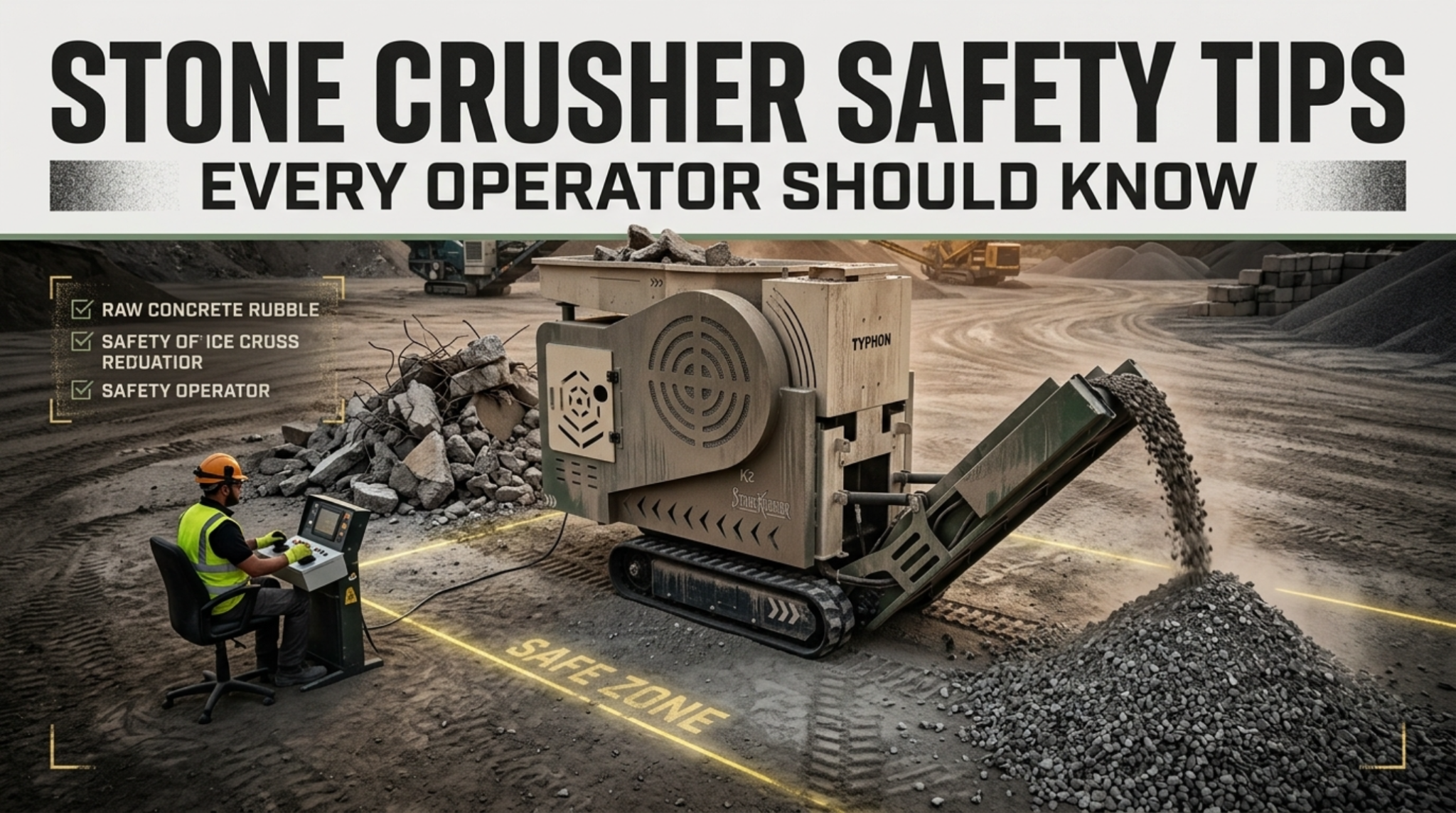
Stone Crusher Safety Tips Every Operator Should Know
Operating a stone crusher demands skill, focus, and a strong respect for the power of the machine. These are heavy-duty units that break rock and concrete under immense force, and that same force can cause serious harm when safety takes a back seat. Every operator carries the responsibility to protect themselves, their crew, and the equipment they depend on.
The good news is that most crusher incidents are preventable. With solid habits and consistent attention to detail, you can keep your machine running smoothly and your jobsite safe. Below are five essential safety practices every operator should know and follow, day in and day out.
1. Inspect the Crusher Before Operation
A thorough pre-operation inspection is your first and best line of defense. Before you fire up the machine, take the time to walk around it and check every critical system. Catching a small issue early costs you a few minutes. Missing it can cost you far more once the crusher is under load.
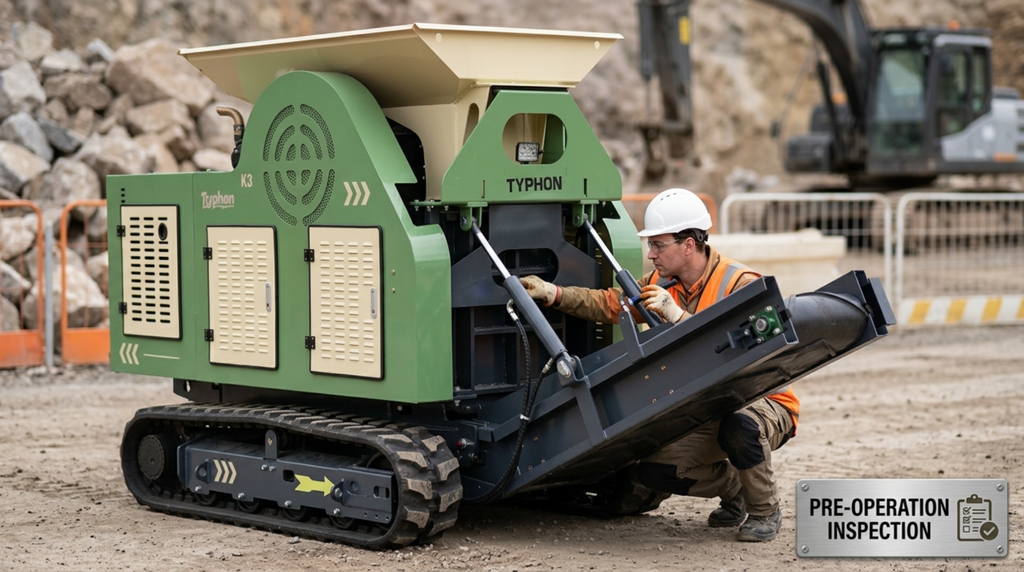
Start with a systematic look at the key areas:
- The crusher body and chamber: Look for cracks, excessive wear, or debris left from the previous shift. Inspect wear parts such as jaw plates or liners for damage or thinning.
- The hydraulic system: Check hoses, fittings, and cylinders for leaks, cracks, or soft spots. Confirm fluid levels are correct and watch for any pooled oil beneath the machine.
- The tracks: Examine track tension, rollers, and pads for wear or damage. Clear out packed dirt and rock that could affect movement or stability.
- Guards and covers: Make sure every guard is in place, secure, and undamaged. Guards exist to keep you clear of moving parts, so never run the machine with one missing.
- Fasteners and connections: Look for loose, missing, or worn bolts and pins, especially around high-vibration areas.
Pay close attention to anything loose, damaged, or worn. Vibration and heavy loads have a way of turning a minor problem into a major failure fast. If you spot something questionable, address it before you start. A short delay to tighten a bolt or replace a worn part is always cheaper than a breakdown or an injury mid-shift.
2. Wear the Right Protective Equipment
Personal protective equipment, or PPE, is your personal barrier against the hazards a crusher creates. The jobsite around a working crusher is loud, dusty, and full of flying debris, so the right gear is not optional. It’s a core part of doing the job right.
Make sure you’re equipped with the following before you begin:
- Safety glasses or goggles: Crushing rock sends out chips, dust, and fragments at high speed. Eye protection shields you from these flying particles.
- Hearing protection: Crushers generate high noise levels that can damage hearing over time. Earplugs or earmuffs protect you through long shifts.
- Gloves: Sturdy work gloves protect your hands from sharp edges, abrasion, and pinch points during inspection and handling.
- Safety footwear: Steel-toe or composite-toe boots guard your feet against falling rock and heavy components. Good tread also helps you keep your footing on uneven ground.
- Hard hat: When there’s any risk of falling or ejected material, a hard hat protects against head injuries.
Beyond these basics, consider a high-visibility vest so equipment operators and crew can see you clearly, and a dust mask or respirator when airborne dust is heavy. Inspect your PPE regularly and replace anything cracked, worn, or no longer doing its job. Well-maintained gear reduces your exposure to flying material, constant noise, and the many other hazards that come with the work.
3. Keep Clear of Moving Components
A running crusher has multiple moving parts, and each one can cause severe injury in an instant. Respecting the danger zones around the machine is one of the simplest yet most important habits you can build.
While the crusher is operating, keep well clear of these areas:
- The hopper: Material fed here moves unpredictably and can shift or eject without warning.
- The crusher chamber: This is where the crushing force is concentrated. Never place any part of your body near it during operation.
- Conveyors and belts: Moving belts create serious pinch and entanglement hazards. Stay back from both the feed and discharge points.
- Rotating and reciprocating parts: Flywheels, drives, and other moving components can catch clothing, tools, or limbs in a fraction of a second.
The rule here is absolute: never reach into the machine or try to clear material by hand while components are moving. Blockages and jams are frustrating, but clearing them on a running machine is one of the most dangerous mistakes an operator can make. If material needs to be cleared, shut the machine down first and follow proper procedures. Keep bystanders and untrained personnel out of the work area as well, since they may not recognize where the danger zones begin and end.
4. Control the Material Being Fed
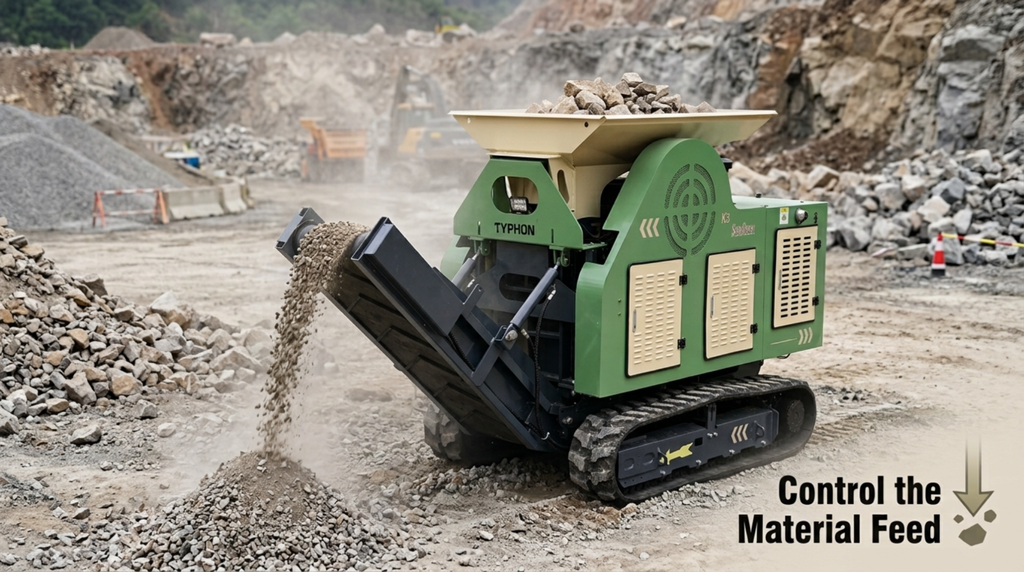
What goes into your crusher directly affects how safely and efficiently it runs. Feeding the machine correctly protects both the equipment and everyone around it. Every crusher has specified size and operating limits for the material it can handle, and staying within those limits is essential.
Feeding oversized or unsuitable material creates real risks:
- Blockages: Rock that’s too large can jam the chamber, forcing downtime and tempting operators into dangerous clearing attempts.
- Excessive loads: Overloading strains the crusher, hydraulic system, and drivetrain, leading to premature wear or sudden failure.
- Unexpected material movement: Oversized or irregular material can bridge, shift, or kick back, ejecting rock or causing violent movement in the hopper.
To keep things running safely, feed material steadily and evenly rather than dumping large surges all at once. Watch for contaminants like metal, wood, or other debris that don’t belong in the crusher and can cause damage or dangerous reactions. Keep the feed consistent and matched to the machine’s capacity, and the crusher will run more smoothly, wear more slowly, and pose far fewer hazards. Controlled feeding is a habit that pays off in both safety and productivity.
5. Shut Down Before Maintenance
Some of the most serious crusher incidents happen during maintenance, not operation. That’s because a machine that looks idle can still hold stored energy capable of causing severe injury. Before you clear a jam, inspect internal components, or perform any maintenance, the machine must be fully shut down and properly isolated.
Always follow the manufacturer’s shutdown and lockout/tagout procedures. In practice, this means:
- Complete a proper shutdown: Power the machine down fully according to the manufacturer’s instructions, never just pausing it.
- Lock out and tag out energy sources: Apply locks and tags so the machine cannot be started while anyone is working on it. Only the person who applied the lock should remove it.
- Isolate stored energy: Hydraulic systems and mechanical components can retain pressure and force even after shutdown. Release or safely isolate this stored hydraulic and mechanical energy before beginning any work.
- Confirm zero energy: Verify the machine is truly de-energized and cannot move before you reach into or near any component.
This step is non-negotiable. Clearing a jam on a live machine, or working on internals without isolating stored energy, has caused countless serious injuries across the industry. Take the extra minutes to shut down and lock out properly every single time. The discipline to follow these procedures without shortcuts is what keeps experienced operators safe throughout their careers.
Conclusion
Stone crusher safety comes down to consistent, informed habits practiced on every shift. Inspecting the machine before you start, wearing the right PPE, staying clear of moving parts, controlling your feed material, and shutting down properly before maintenance all work together to protect you, your crew, and your equipment.
None of these practices are complicated, but they require discipline and a genuine respect for the power of the machine. Make them part of your daily routine and they become second nature. A safe operator is a productive operator, and the time you invest in doing things right is always worth it. Stay alert, stay prepared, and treat every shift as an opportunity to go home safe.
Frequently Asked Questions About Stone Crusher Safety
How often should stone crusher wear parts be inspected and replaced? Wear parts such as jaw plates, liners, and cutting teeth are subject to constant abrasion and impact during operation, so they require regular attention beyond the standard pre-shift inspection. The replacement interval depends on the volume and hardness of material being processed, but operators should assess wear parts at every pre-operation check and look for signs of thinning, cracking, or uneven wear that could affect performance or create safety risks. Never run the machine with wear parts that are beyond their serviceable limits; a compromised jaw plate or liner can fail under load, leading to sudden material ejection or damage to surrounding components. Always follow the manufacturer’s guidelines for inspection frequency and replacement thresholds, and keep a supply of the correct replacement parts on hand so that worn components can be swapped out promptly without pressure to run the machine past safe limits.
What are the most common causes of serious injury when operating a stone crusher? The majority of serious crusher injuries fall into a few well-defined categories, and most of them are preventable. Contact with moving components including the hopper, crusher chamber, conveyors, and rotating drive parts is a leading cause of injury, typically occurring when operators attempt to clear material or make adjustments while the machine is still running. Maintenance incidents are equally dangerous, particularly when a machine that appears idle is not properly locked out and still holds stored hydraulic or mechanical energy. Feeding oversized or unsuitable material creates another category of risk, as blockages, sudden load shifts, and material ejection can all result from an uncontrolled feed. Finally, inadequate PPE leaves operators exposed to flying debris, high noise levels, and other jobsite hazards that proper protective gear would otherwise mitigate. The common thread across all of these causes is that safety procedures existed to prevent each incident and were not followed. Consistent discipline in inspection, PPE use, staying clear of moving parts, feed control, and proper shutdown is what separates a safe operation from a dangerous one.
How do I safely clear a blockage or jam in a stone crusher? Never attempt to clear a blockage by hand while the crusher is running. Even if the machine appears to have stopped moving, components can shift or restart without warning. The correct procedure is to complete a full shutdown, apply lockout/tagout to all energy sources, and then verify that stored hydraulic and mechanical energy has been safely isolated before you reach into or near any part of the machine. Only once you have confirmed zero energy should you attempt to clear the jam, using appropriate tools rather than your hands where possible. Skipping any of these steps even under time pressure is one of the most common causes of serious injury during crusher maintenance.
What PPE is required when operating a stone crusher? Operators must wear appropriate personal protective equipment at all times on site. At a minimum, this includes safety glasses or goggles to guard against flying chips and dust, hearing protection such as earplugs or earmuffs to reduce exposure to high noise levels, sturdy work gloves to protect against sharp edges and pinch points, and steel-toe or composite-toe safety footwear with solid tread. A hard hat is required whenever there is any risk of falling or ejected material. Beyond these essentials, a high-visibility vest helps other crew members and equipment operators see you clearly, and a dust mask or respirator should be worn when airborne dust is heavy. Inspect your PPE regularly and replace any gear that is cracked, worn, or compromised protective equipment only when it is in good condition.
What should I check during a pre-operation inspection of a stone crusher? Before starting any shift, walk around the machine and inspect the crusher body and chamber for cracks, wear, or leftover debris. Check the hydraulic system for leaks, confirm fluid levels, and look for pooled oil beneath the machine. Examine the tracks for tension, roller wear, and packed-in material. Confirm that all guards and covers are in place and secure, and look for loose, missing, or worn bolts and pins especially in high-vibration areas. If anything looks questionable, address it before you start. A few minutes spent on inspection can prevent a breakdown or injury once the machine is under load.