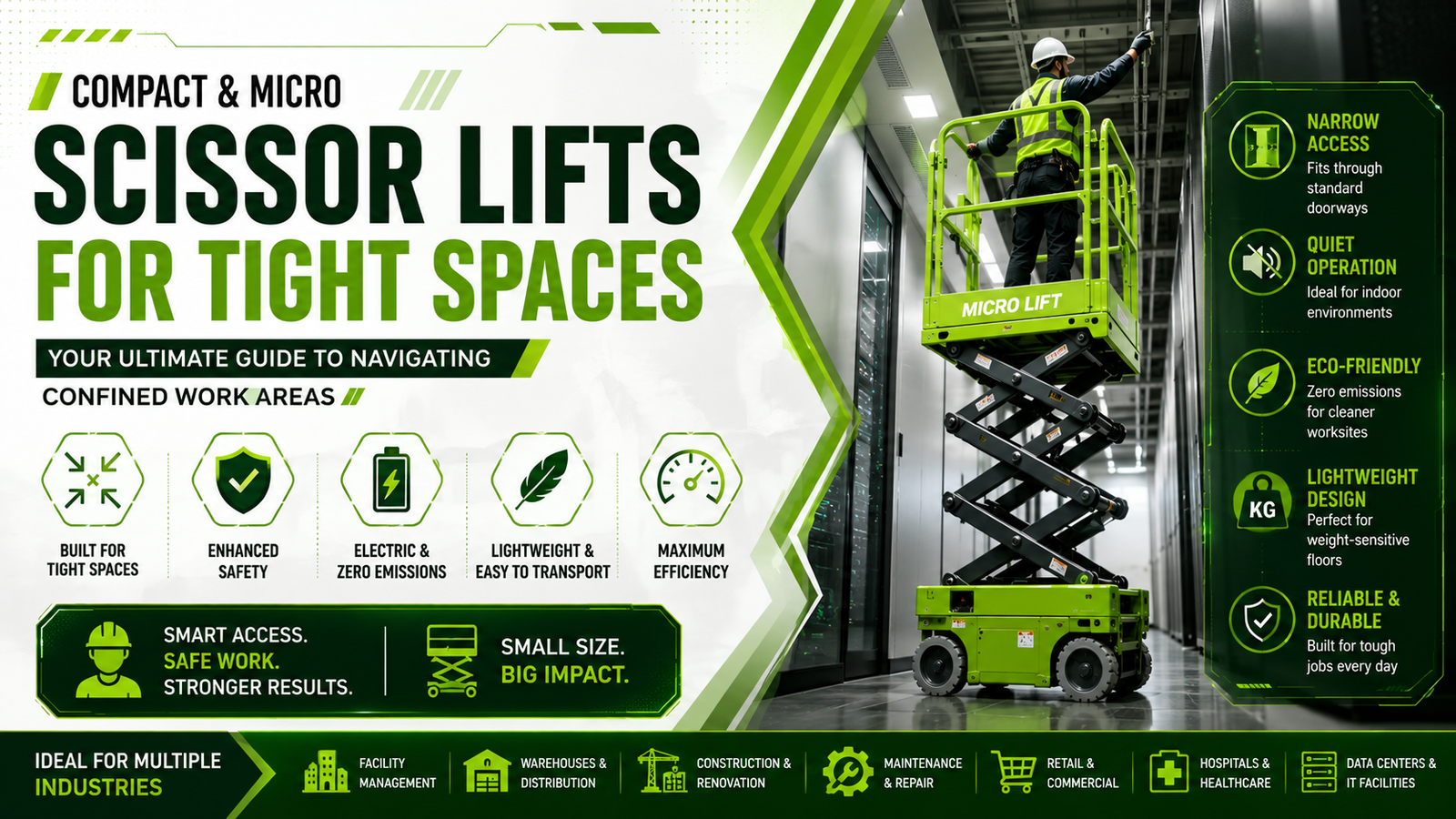
Compact & Micro Scissor Lifts for Tight Spaces: Your Ultimate Guide to Navigating Confined Work Areas
In the bustling world of construction, maintenance, and facility management, efficiency and safety are paramount. Yet, often, the most critical tasks need to be performed in the most challenging environments: tight spaces, narrow aisles, and congested work zones. Traditional access equipment, while powerful, can be cumbersome, too large, or simply unable to maneuver into these confined areas. This is where the unsung heroes of elevated work platforms step in: compact and micro scissor lifts.
Imagine a scenario where you need to change a light fixture in a crowded retail store after hours, perform intricate electrical work in a data center with rows of servers, or conduct maintenance on overhead pipes in a historic building with delicate architecture. In these situations, a standard scissor lift might be too wide, too heavy, or too tall to navigate the space safely and effectively. Compact and micro scissor lifts are specifically engineered to address these challenges, offering unparalleled access, stability, and versatility in environments where every inch counts. They are designed not just to fit, but to empower workers to operate safely and productively in areas previously thought inaccessible. This comprehensive guide will delve deep into the world of these specialized machines, exploring their unique features, diverse applications, and the myriad benefits they offer across various industries. Whether you’re a facility manager, a contractor, or simply curious about innovative access solutions, prepare to discover how these nimble giants are revolutionizing work in tight spaces.
1. What are Compact & Micro Scissor Lifts for Tight Spaces?
Compact and micro scissor lifts are specialized types of aerial work platforms (AWPs) designed with a significantly smaller footprint and reduced weight compared to their standard counterparts. Their primary purpose is to provide safe, elevated access for workers and materials in confined, congested, or otherwise challenging environments where larger equipment cannot operate. The “scissor” mechanism refers to the crisscrossing metal supports that extend vertically, allowing the platform to be raised and lowered.
Defining the “Compact” and “Micro” Distinction:
While the terms are often used interchangeably, there are subtle differences:
- Compact Scissor Lifts: These are typically smaller versions of standard electric scissor lifts. They might have platform heights ranging from 10 to 25 feet, but their key differentiator is their narrow width, often less than 32 inches (81 cm), allowing them to pass through standard doorways. They often feature non-marking tires, making them suitable for indoor use on finished floors. Their weight capacity is generally moderate, supporting one or two workers with tools.
- Micro Scissor Lifts: Taking the concept of compactness even further, micro scissor lifts are the smallest of the small. Their widths can be as little as 20-24 inches (50-60 cm), enabling them to navigate extremely narrow corridors, elevators, and even some turnstiles. Platform heights are typically lower, often ranging from 6 to 15 feet. They are characterized by their ultra-lightweight design, sometimes weighing less than 1,000 lbs (450 kg), making them ideal for weight-sensitive floors or multi-story buildings where transport is a concern. Many micro lifts are push-around models or self-propelled with very small electric motors.
Key Design Features that Enable Tight Space Maneuverability:
The engineering behind these lifts is focused on maximizing access in minimal space:
- Narrow Chassis: This is the most defining characteristic. The base of the lift is designed to be as slim as possible, often narrower than a standard doorway, enabling passage through interior spaces without requiring door removal or extensive preparation.
- Compact Stowed Dimensions: When not in use, these lifts collapse into a very small package, making them easy to store, transport, and move between different work areas, even in service elevators.
- Electric Power (Predominantly): Most compact and micro scissor lifts are battery-electric powered. This offers several advantages for tight spaces:
- Zero Emissions: Essential for indoor use, cleanrooms, food processing plants, and environments with strict air quality requirements.
- Quiet Operation: Minimizes disruption in occupied buildings, hospitals, schools, or retail environments.
- Precise Control: Electric motors often provide smoother, more controlled movements, crucial for navigating delicate environments.
- Non-Marking Tires: Standard on most indoor models, these tires prevent scuffs and marks on finished floors, protecting expensive surfaces in offices, hospitals, or retail stores.
- Small Turning Radius: Engineered for agility, these lifts can often turn almost on their own axis, allowing for precise positioning in cramped corners or around obstacles.
- Integrated Pot-Hole Protection: Many models include automatic systems that deploy to prevent the lift from tipping if it encounters a pothole or uneven surface while elevated, enhancing safety.
- Lightweight Construction: Utilizes advanced materials and design techniques to reduce overall weight, making them suitable for weight-restricted floors and easier to transport.
Examples of Compact & Micro Scissor Lifts:
- Genie GS-1330m: A prime example of a micro scissor lift, it’s only 30 inches wide, weighs just over 1,900 lbs, and offers a 12.8 ft platform height, making it ideal for facilities maintenance.
- JLG 1932R: A compact electric scissor lift with a 32-inch width and 19-foot platform height, commonly used in warehouses and construction finishing.
- Skyjack SJ3219: Another popular compact model, 32 inches wide, offering a 19-foot platform height, known for its reliability and ease of maintenance.
Understanding these foundational aspects is crucial for appreciating the specific applications and immense value these specialized machines bring to a wide array of industries. They are not just smaller versions of larger lifts; they are purpose-built solutions for a distinct set of challenges.
2. Key Benefits of Compact & Micro Scissor Lifts for Tight Spaces
The advantages of utilizing compact and micro scissor lifts extend far beyond their ability to simply fit into small areas. They offer a comprehensive suite of benefits that directly impact safety, efficiency, cost-effectiveness, and operational flexibility across various industries.
Enhanced Safety in Confined Environments
Safety is paramount in any elevated work. Compact and micro scissor lifts are inherently designed to improve safety in tight spaces where other methods might be risky.
- Reduced Risk of Falls: Compared to ladders, scaffolding, or manual lifts, scissor lifts provide a stable, spacious platform with guardrails, significantly reducing the risk of falls. In tight spaces, maneuvering ladders can be precarious, and setting up scaffolding can obstruct pathways.
- Stable Work Platform: The scissor mechanism provides a solid, level work surface, even when extended. This stability is crucial when working with tools, materials, or performing delicate tasks in confined areas.
- Easier Maneuverability: Their small footprint and precise controls allow operators to navigate around obstacles and position the platform exactly where needed, minimizing the need for awkward stretches or reaching, which can lead to instability.
- Integrated Safety Features: Many models come equipped with tilt sensors, overload protection, emergency stop buttons, and automatic pothole protection systems, all contributing to a safer work environment, especially when operating near walls or other structures.
- Improved Visibility: Unlike scaffolding that can create blind spots, the open design of a scissor lift often allows for better visibility of the surrounding work area.
Increased Efficiency and Productivity
Time is money, and these lifts are designed to save both by streamlining operations.
- Faster Setup and Relocation: Unlike scaffolding, which requires significant time for assembly and disassembly, a scissor lift is ready to operate almost instantly. Its mobility allows for quick relocation between different work points. Imagine needing to access multiple points along a narrow corridor – a micro lift can move from one spot to the next in minutes, whereas scaffolding would require complete teardown and re-erection.
- Access to Previously Inaccessible Areas: By enabling workers to reach areas that were previously only accessible with great difficulty, or not at all, these lifts open up new possibilities for maintenance, installation, and repair. This eliminates the need for creative, often less safe, workarounds.
- Reduced Labor Costs: One worker can often operate and reposition a scissor lift, whereas setting up and dismantling scaffolding typically requires multiple personnel. This translates directly into reduced labor hours and associated costs.
- Material Handling Capability: While their primary function is personnel elevation, many compact lifts have sufficient platform capacity to carry tools and light materials, reducing the need for separate trips or manual hauling up ladders.
- Continuous Work Flow: With a stable platform and easy access, workers can maintain a consistent pace, leading to higher productivity throughout the workday.
Cost Savings and ROI
The initial investment in a compact or micro scissor lift can quickly pay for itself through various savings.
- Reduced Labor Expenses: As mentioned, fewer workers and less setup time directly translate to lower labor costs per project.
- Minimized Downtime: Faster access and quicker task completion mean less disruption to ongoing operations, especially in retail, hospitality, or manufacturing environments where downtime is costly.
- Lower Insurance Premiums: A safer work environment can potentially lead to reduced worker’s compensation claims and, over time, lower insurance premiums.
- Versatility Reduces Equipment Needs: A single compact scissor lift can often replace the need for multiple ladders of varying heights, specialized scaffolding, or even larger, less maneuverable lifts that might require road closures or extensive site preparation.
- Extended Equipment Lifespan: Electric models typically have fewer moving parts than internal combustion engine counterparts, leading to lower maintenance costs and a longer operational life. Non-marking tires also protect floor surfaces, preventing costly repairs.
Versatility Across Industries and Applications
The adaptability of compact and micro scissor lifts makes them invaluable across a wide spectrum of sectors.
- Retail & Commercial: Changing signage, maintaining lighting, accessing high shelves, installing displays, cleaning high windows, and performing general facility maintenance in stores, malls, and offices.
- Data Centers & IT: Working above server racks, installing cabling, and maintaining HVAC systems in highly sensitive environments where precision, quiet operation, and zero emissions are critical.
- Healthcare & Pharmaceuticals: Performing maintenance, installing medical equipment, and cleaning in hospitals, clinics, and laboratories where hygiene, quietness, and non-marking equipment are essential.
- Education: Maintenance in classrooms, gymnasiums, auditoriums, and libraries, often during school hours with minimal disruption.
- Hospitality: Servicing hotels, convention centers, and restaurants for lighting, decor, and general upkeep without disturbing guests.
- Residential & Multi-Family Housing: Painting, drywall repair, electrical work, and HVAC maintenance in apartments, condos, and homes.
- Manufacturing & Warehousing: Accessing machinery, performing inspections, inventory management, and light maintenance in narrow aisles or around production lines.
- Construction (Finishing Stages): Interior fit-outs, electrical installation, HVAC ductwork, fire suppression systems, and painting where space becomes increasingly limited as the building takes shape.
By offering a compelling combination of safety, efficiency, cost savings, and broad applicability, compact and micro scissor lifts prove to be indispensable tools for anyone needing to work effectively in tight and challenging spaces. They represent a smart investment for businesses looking to optimize their operations and ensure the well-being of their workforce.

3. How to Get Started with Compact & Micro Scissor Lifts for Tight Spaces
Integrating compact and micro scissor lifts into your operations requires careful consideration, from understanding your specific needs to selecting the right equipment and ensuring proper usage. This section provides a practical guide to getting started, ensuring you make informed decisions and maximize the benefits of these specialized machines.
3.1 Assessing Your Needs: The Foundation of Selection
Before even looking at models, a thorough assessment of your work environment and tasks is crucial.
- Identify Specific Tight Spaces:
- Doorway Widths: Measure the narrowest doorways, hallways, and access points the lift will need to pass through. This is often the primary limiting factor.
- Ceiling Heights/Overhead Obstructions: Determine the maximum platform height required for your tasks, but also consider any overhead obstructions like pipes, conduits, or low ceilings that might limit the lift’s full extension or movement.
- Floor Load Capacity: Especially critical in older buildings, data centers, or multi-story structures. Know the maximum weight the floor can safely bear to prevent structural damage. Micro lifts are often preferred here due to their lighter weight.
- Ramps/Inclines: If the lift needs to traverse ramps, note their grade. Lifts have specific gradeability limits.
- Obstacles & Maneuvering Space: Map out the general layout of the work area, noting any permanent fixtures, machinery, or shelving that will require the lift to navigate around.
- Define Task Requirements:
- Required Working Height: This is the height of the platform plus the average reach of a worker (typically 6 feet). Don’t confuse this with platform height.
- Platform Capacity (Weight): How many workers and how much weight in tools and materials will the platform need to support? Micro lifts often have lower capacities (e.g., 300-500 lbs) compared to compact lifts (e.g., 500-800 lbs).
- Frequency of Use: Will it be used daily, weekly, or for specific projects? This impacts whether buying or renting is more cost-effective.
- Power Source: Will it be used indoors exclusively (electric is best) or outdoors (some compact models have rough-terrain options, but generally, tight-space lifts are electric)?
- Work Environment: Is it a cleanroom, a hospital, a retail store, or a dusty construction site? This influences tire type (non-marking), emission requirements, and overall ruggedness.
3.2 Choosing the Right Lift: Rental vs. Purchase
Once you have a clear understanding of your needs, the next step is deciding on acquisition.
- Renting:
- Pros: Ideal for short-term projects, infrequent use, or when trying out different models. No maintenance costs, storage issues, or large capital outlay. Provides flexibility to use specialized equipment only when needed.
- Cons: Can be more expensive for long-term or frequent use. Availability might be an issue during peak seasons.
- When to Rent: Seasonal work, one-off projects, testing a lift type before committing to purchase, or when budget constraints prevent buying.
- Purchasing:
- Pros: Cost-effective for frequent, long-term use. Always available when needed. Can be customized with specific accessories. Builds equity.
- Cons: Significant upfront capital investment. Requires storage space, ongoing maintenance, and potential depreciation.
- When to Purchase: Consistent, high-frequency use across multiple projects, dedicated teams, or when specific features are critical for daily operations.
Tips for Selection:
- Consult Manufacturers/Dealers: Share your detailed requirements with reputable suppliers. They can recommend specific models that best fit your needs.
- Request Demos: If possible, try out a lift in a similar environment to your actual worksite to assess maneuverability and ease of use.
- Check Specifications Carefully: Don’t just look at platform height; scrutinize width, length, stowed height, weight, platform capacity, and turning radius.
- Consider After-Sales Support: Ensure the supplier offers good maintenance, parts availability, and technical support.
3.3 Training and Certification: Non-Negotiable for Safety
Operating any aerial work platform requires proper training and certification to ensure safety and compliance.
- OSHA and ANSI Standards: In the United States, OSHA (Occupational Safety and Health Administration) mandates that all AWP operators be trained and certified. ANSI (American National Standards Institute) provides the safety standards (e.g., ANSI A92.20, A92.22, A92.24) that manufacturers and operators must adhere to. Similar regulations exist in other countries.
- Operator Training:
- Classroom Instruction: Covers safety regulations, machine components, pre-operation inspections, hazard recognition, and emergency procedures.
- Practical Training: Hands-on experience operating the specific type of lift, including maneuvering, raising/lowering, emergency lowering, and navigating obstacles.
- Evaluation: Operators must demonstrate proficiency in both written and practical tests.
- Refresher Training: Periodic refresher training is often required or recommended to ensure operators remain competent and up-to-date on safety practices and equipment changes.
- Supervisory Training: Supervisors should also be trained on AWP safety, hazard assessment, and rescue procedures.
- Internal Link Suggestion: For more detailed information on specific training requirements and safety guidelines, refer to our [Compact & Micro Scissor Lifts for Tight Spaces guide on safety standards].
Key Training Topics:
- Pre-Operation Inspection: How to conduct a thorough visual and functional check before each use.
- Daily Pre-Operation Checks: Identifying potential hazards like uneven surfaces, overhead obstructions, power lines, and pedestrian traffic.
- Safe Operating Procedures: Proper use of controls, maintaining a safe distance from obstacles, understanding load limits, and avoiding unsafe practices.
- Emergency Procedures: How to perform emergency lowering, what to do in case of a malfunction, and rescue plans.
- Fall Protection: Understanding the use of harnesses and lanyards when required by specific lift types or tasks.
By diligently following these steps – assessing your needs, choosing the right equipment, and prioritizing comprehensive training – you can successfully integrate compact and micro scissor lifts into your operations, enhancing both safety and productivity in your tightest work spaces.
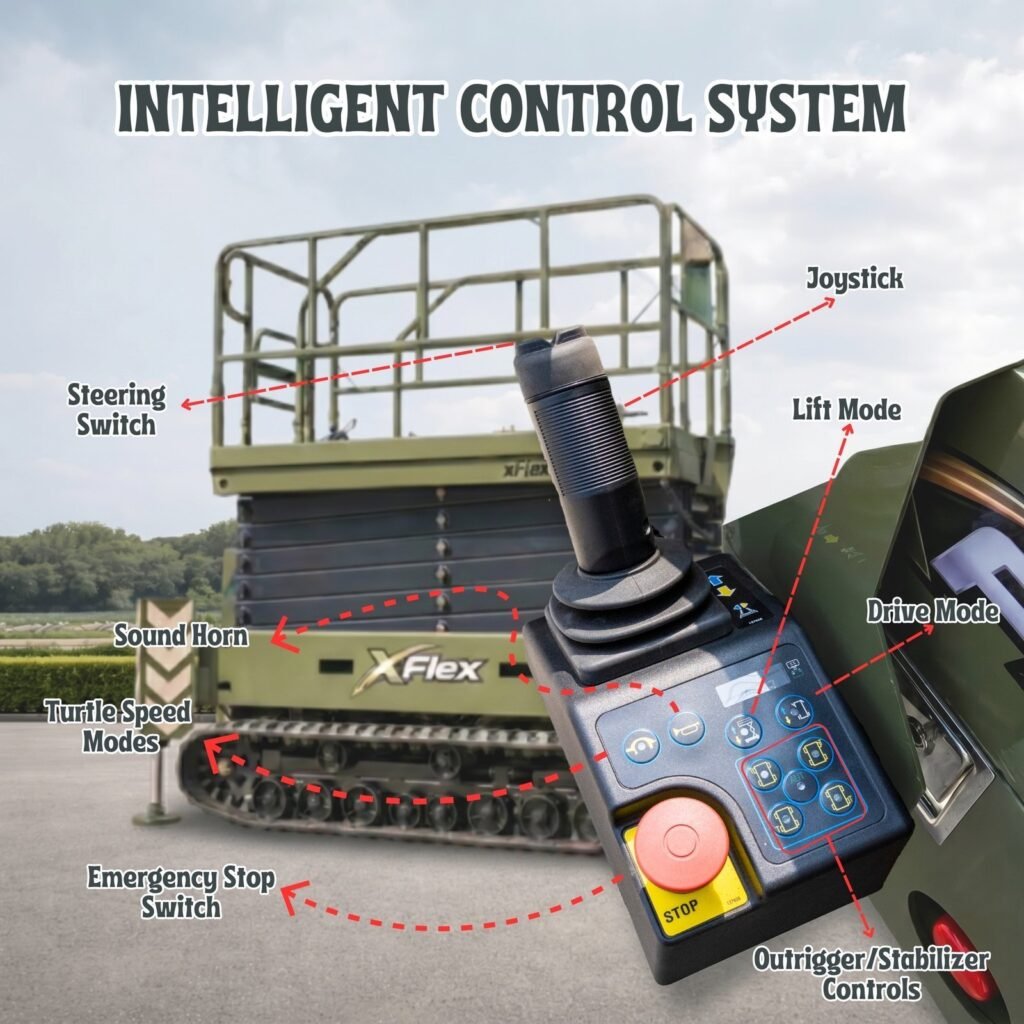
4. Best Practices for Using Compact & Micro Scissor Lifts in Tight Spaces
Operating compact and micro scissor lifts effectively and safely in confined environments demands adherence to specific best practices. These guidelines go beyond basic operation, focusing on the nuances of working in tight quarters to prevent accidents, maximize efficiency, and prolong equipment life.
4.1 Pre-Operation Checks and Worksite Assessment
Before any work begins, a meticulous approach to inspection and assessment is non-negotiable.
- Thorough Pre-Use Inspection: Every operator must conduct a daily inspection of the lift before the start of each shift. This includes:
- Visual Check: Look for any visible damage, leaks, loose parts, or missing components.
- Fluid Levels: Check hydraulic fluid and battery water levels (if applicable).
- Tires: Inspect for proper inflation (if pneumatic), damage, and wear. Ensure non-marking tires are clean.
- Controls: Test all platform and ground controls for proper function, including emergency stop buttons.
- Safety Features: Verify that guardrails are secure, pothole protection systems are functional, and all warning decals are legible.
- Emergency Lowering System: Confirm it works correctly.
- Battery Charge: Ensure batteries are adequately charged for the planned work duration.
- Comprehensive Worksite Hazard Assessment: This is even more critical in tight spaces.
- Identify Overhead Obstructions: Look for pipes, conduits, light fixtures, sprinkler heads, and low ceilings that could be struck by the platform or worker.
- Evaluate Floor Conditions: Check for uneven surfaces, cracks, holes, debris, slopes, or weight-sensitive areas. Ensure the floor can support the lift’s weight plus its maximum load.
- Assess Pinch Points and Entrapment Hazards: In narrow aisles, be acutely aware of walls, shelving, machinery, and other structures that could create pinch points for the operator or the lift itself.
- Identify Pedestrian and Vehicle Traffic: Establish clear exclusion zones and use spotters if working in active areas.
- Locate Power Lines/Electrical Hazards: Maintain safe distances from any live electrical components.
- Consider Environmental Factors: Air quality (if using non-electric lifts, though rare for compact/micro), lighting, and temperature.
- Develop a Rescue Plan: Always have a plan in place for how to safely retrieve an operator in case of a lift malfunction or emergency. This includes knowing how to use the ground controls for emergency lowering.
4.2 Safe Operating Procedures in Confined Spaces
Operating in tight spaces demands heightened awareness and precision.
- Maintain Clearances: Always be aware of the lift’s dimensions and maintain a safe distance from walls, obstacles, and other equipment. Even a small bump can cause damage or injury.
- Use a Spotter (When Necessary): In extremely tight or complex areas, especially when visibility is limited, a trained spotter can provide crucial guidance to the operator, helping to prevent collisions and ensure safe movement.
- Slow and Controlled Movements: Avoid sudden starts, stops, or turns. Operate the lift smoothly and deliberately, especially when elevated or navigating around obstacles.
- Never Exceed Load Capacity: Adhere strictly to the manufacturer’s specified platform capacity (weight of workers, tools, and materials). Overloading can lead to instability and tip-overs.
- Keep Body Parts Within the Platform: Never lean out, reach beyond the guardrails, or use external objects to extend your reach. This can compromise stability and lead to falls or entrapment.
- Level Surface Operation: Ensure the lift is on a firm, level surface before elevating. While some lifts have limited gradeability, operating on slopes when elevated is extremely dangerous.
- Secure Tools and Materials: Prevent items from falling off the platform by securing tools and materials properly. Falling objects are a significant hazard in any work environment.
- Avoid Contact with Overhead Obstructions: Before raising the platform, visually confirm a clear path above. When moving, remain vigilant about overhead hazards.
- Lower Before Moving (When Possible): For significant travel distances, it’s best practice to lower the platform completely before moving the lift, especially in areas with uneven surfaces or potential obstacles.
- Battery Management: For electric lifts, monitor battery levels throughout the shift. Ensure lifts are charged in designated, well-ventilated areas.
4.3 Maintenance and Storage
Proper care extends the life of your equipment and ensures its continued safe operation.
- Follow Manufacturer’s Maintenance Schedule: Adhere to the recommended service intervals for hydraulic fluid changes, battery checks, lubrication, and general inspections. Regular preventative maintenance can catch small issues before they become major problems.
- Keep Clean: Regularly clean the lift, especially around controls and hydraulic components, to prevent dirt and debris from interfering with operation. For indoor, clean environments, this is particularly important.
- Battery Care: For electric lifts, proper battery maintenance is key. This includes regular watering (for flooded lead-acid batteries), ensuring proper charging cycles, and avoiding deep discharges that can shorten battery life.
- Safe Storage: Store lifts in a dry, secure location, preferably indoors, to protect them from weather and unauthorized use. Ensure they are fully lowered and brakes are set.
- Documentation: Keep detailed records of all inspections, maintenance, and repairs. This is crucial for compliance and troubleshooting.
By integrating these best practices into your operational procedures, you not only enhance the safety of your workforce but also maximize the efficiency and longevity of your compact and micro scissor lifts, making them invaluable assets for navigating the most challenging tight spaces. For further resources on safe operation, consider reviewing our [Compact & Micro Scissor Lifts for Tight Spaces resources on operational safety].
5. Frequently Asked Questions about Compact & Micro Scissor Lifts for Tight Spaces
This section addresses common questions about compact and micro scissor lifts, providing clear and concise answers to help users better understand these specialized pieces of equipment.
Q1: What exactly is a “compact” or “micro” scissor lift, and how is it different from a regular scissor lift?
A compact or micro scissor lift is a type of aerial work platform specifically engineered with a significantly smaller footprint (narrower width and shorter length) and often lighter weight than standard scissor lifts. The primary difference lies in their dimensions and maneuverability.
- Standard Scissor Lifts: Typically wider (32-48+ inches), heavier, and designed for more open construction sites or larger warehouses.
- Compact Scissor Lifts: Generally 28-32 inches wide, allowing them to pass through standard single doorways. They offer moderate platform heights and capacities.
- Micro Scissor Lifts: The smallest, often 20-24 inches wide, designed for extremely narrow spaces, elevators, and weight-sensitive floors. They usually have lower platform heights and capacities.
Their key distinguishing feature is their ability to navigate and operate in confined spaces where traditional lifts simply cannot fit, such as narrow aisles, interior rooms, data centers, or occupied buildings.
Q2: How does a compact or micro scissor lift work?
Compact and micro scissor lifts operate on the same fundamental principle as larger scissor lifts:
- Power Source: Most compact and micro lifts are battery-electric powered, making them suitable for indoor use due to zero emissions and quiet operation. Some smaller models might be push-around (manually moved) with electric lift functions.
- Scissor Mechanism: The lift’s platform is supported by a series of crisscrossing metal supports (the “scissor arms”).
- Hydraulic System: An electric motor powers a hydraulic pump, which pushes hydraulic fluid into cylinders.
- Elevation: As the hydraulic cylinders extend, they push the scissor arms outwards and upwards, causing the platform to rise vertically.
- Lowering: Releasing the hydraulic pressure allows the platform to descend smoothly.
- Controls: Operators use controls located on the platform and sometimes on the ground chassis to raise, lower, and drive the lift.
- Drive System: Self-propelled models have electric drive motors in the wheels, allowing the operator to move the lift while on the platform.
The compact design focuses on optimizing these components for minimal space requirements, often with smaller wheels and tighter turning radii.
Q3: What are the main benefits of using these specialized lifts in tight spaces?
The benefits are numerous and directly address the challenges of working in confined areas:
- Unparalleled Access: They can fit through standard doorways, into elevators, and navigate narrow aisles, providing access to areas previously reachable only by ladders or extensive scaffolding.
- Enhanced Safety: Offers a stable, guarded platform, significantly reducing fall risks compared to ladders. Integrated safety features like pothole protection and tilt sensors further improve safety.
- Increased Efficiency & Productivity: Faster setup and relocation than scaffolding, allowing workers to complete tasks more quickly and move between work points with ease.
- Reduced Labor Costs: Often requires fewer personnel than scaffolding setup and can be operated by a single trained individual.
- Minimal Disruption: Quiet, emission-free electric operation is ideal for occupied buildings, hospitals, retail stores, and data centers, minimizing disturbance.
- Floor Protection: Non-marking tires prevent damage to finished floors, saving on potential repair costs.
- Versatility: Applicable across a wide range of industries, from retail and healthcare to data centers and residential maintenance.
Q4: Are there any specific safety considerations when operating compact or micro scissor lifts?
Yes, safety is paramount, especially in tight spaces:
- Worksite Assessment: Always conduct a thorough assessment for overhead obstructions, uneven surfaces, floor load limits, and potential pinch points before operation.
- Operator Training: All operators must be properly trained and certified according to OSHA/ANSI standards (or local equivalents).
- Pre-Operation Inspection: Perform a daily visual and functional check of the lift before each use.
- Load Capacity: Never exceed the manufacturer’s specified platform weight capacity.
- Maintain Clearances: Be constantly aware of the lift’s dimensions and maintain safe distances from walls and obstacles to prevent collisions or entrapment.
- Stable Surface: Only operate on firm, level surfaces.
- Emergency Plan: Always have a rescue plan in place for emergencies.
- Body Position: Keep all body parts within the confines of the platform’s guardrails.
Q5: Can these lifts be used outdoors?
While primarily designed for indoor use due to their electric power and non-marking tires, some compact scissor lifts can be used outdoors on firm, level surfaces. However, they are generally not suitable for rough terrain or significant inclines. If outdoor use is anticipated, it’s crucial to check the manufacturer’s specifications for ground clearance, tire type, and wind ratings. Micro lifts are almost exclusively for indoor, finished surface applications.
Q6: What’s the typical working height and weight capacity for these lifts?
- Working Height: This varies significantly. Micro lifts might offer working heights from 12 to 21 feet (platform heights of 6-15 feet), while compact lifts can reach working heights of 25 to 31 feet (platform heights of 19-25 feet). Always consider “working height” (platform height + average human reach) rather than just “platform height.”
- Weight Capacity: Micro lifts typically have capacities ranging from 300-500 lbs (1-2 workers plus light tools). Compact lifts usually offer capacities from 500-800 lbs (1-2 workers plus more tools/materials). Always refer to the specific model’s load chart.
Q7: Is it better to rent or buy a compact or micro scissor lift?
The decision to rent or buy depends on your specific needs:
- Rent if: You have infrequent, short-term projects; you need to try out different models; or you want to avoid maintenance, storage, and capital costs.
- Buy if: You have consistent, high-frequency use across multiple projects; you need the lift readily available at all times; or you prefer the long-term cost-effectiveness and equity of ownership.
Consider your budget, project frequency, storage capabilities, and maintenance resources when making this decision.
Conclusion: Elevating Work in Every Corner
Compact and micro scissor lifts are more than just pieces of equipment; they are strategic solutions designed to unlock productivity and enhance safety in the most challenging work environments. From the delicate operations within a data center to the bustling aisles of a retail store, or the intricate maintenance of a historic building, these nimble machines provide the access, stability, and efficiency that traditional equipment simply cannot.
We’ve explored their unique design features, the multitude of benefits they offer – from unparalleled safety and increased efficiency to significant cost savings – and provided a comprehensive guide on how to get started, including crucial best practices for safe and effective operation. By understanding their capabilities and adhering to proper procedures, businesses and individuals can transform previously inaccessible or hazardous tasks into routine, safe, and productive endeavors.
In an era where space is a premium and efficiency is paramount, investing in or utilizing compact and micro scissor lifts is not just a choice, but a smart strategic move for any operation that demands elevated access in confined spaces. They empower workers, protect assets, and ultimately contribute to a more streamlined and safer work environment.
Ready to revolutionize how you tackle tight spaces?